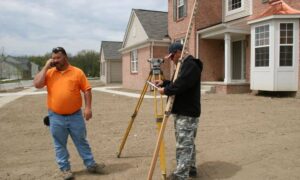

Property line surveys often become the center of neighbor disputes, even when no one expects a problem. Many homeowners believe fences show where land ends. Others trust what has “always been there.” However, surveyors say these beliefs cause more conflict today than ever before. Recent discussions among surveyors show a clear trend: property line surveys now lead to more disputes because important boundary markers keep disappearing.
These problems do not start because neighbors want to fight. Instead, they start when old markers go missing, new construction changes the land, and records no longer match what exists on the ground.
Surveyors Are Frustrated—and Not Because of the Work
Surveyors enjoy fieldwork. Measuring land, finding corners, and solving layout problems are part of the job. Still, many surveyors now say the hardest part of property line surveys is not the measuring. The real challenge comes from figuring out boundaries after physical markers are gone.
Years ago, surveyors could find iron pins, stones, or markers placed long ago. These markers clearly showed where property lines belonged. Today, landscaping, grading, and construction often remove them. Once those markers disappear, surveys become harder and more stressful.
Why Boundary Markers Matter So Much
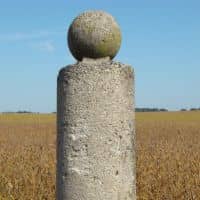
Property line surveys depend on physical markers for a reason. These markers show the original boundary intent. They matter more than fences, online maps, or memory.
When surveyors find original markers, the boundary stays clear. However, when markers are missing, surveyors must rely on deeds, nearby evidence, and legal rules. This process adds uncertainty. That uncertainty often surprises homeowners who expect a quick and clear answer.
How Missing Markers Turn Small Issues Into Big Conflicts
Many neighbor disputes start small. One person plans to build a fence. Another adds a shed. Someone widens a driveway. These changes seem simple.
Without markers, neighbors guess where lines sit. Surveyors often see:
- Fences placed several feet over a boundary
- Sheds crossing a line by inches
- Landscaping that removed old pins
Once a property line survey shows the real boundary, emotions rise. Each neighbor feels confident they acted fairly. Still, the survey may say otherwise. That moment often turns a small issue into a serious dispute.
Why Growth Makes Property Line Surveys More Difficult
Growth changes land quickly. As areas expand, construction disturbs older properties. Heavy equipment removes pins. Grading reshapes the ground. Utility work moves reference points.
Smaller lots also raise the risk. When space is tight, every inch matters. Surveyors now see more disputes simply because properties sit closer together. Even when ownership stays the same, the surrounding land changes.
Why Technology Has Not Solved Boundary Problems
Many people think GPS or online maps solve boundary issues. Sadly, property line surveys do not work that way. Technology shows location, but it does not define ownership.
Legal boundaries follow original markers and intent. GPS helps surveyors locate evidence, but it cannot replace what no longer exists. Surveyors often explain that even the best tools still need physical proof.
How Property Owners Accidentally Create Disputes
Most owners do not mean to cause problems. Still, some common actions raise the risk:
- Removing pins during yard work
- Building fences without checking corners
- Trusting online parcel maps
These choices seem harmless at first. Over time, they erase the proof surveyors need. When a dispute happens later, no clear marker remains. At that point, the property line survey must rebuild history instead of confirming facts.
Why Surveyors Warn Owners Earlier Than Before
Surveyors now suggest confirming boundaries before any exterior work begins. This advice does not exist to sell surveys. It exists because surveyors see the damage disputes cause.
When markers remain in place, property line surveys stay simple. Once evidence disappears, surveys take longer and cause more arguments. Early surveys help prevent conflict before it starts.
Why Neighbor Disputes Feel Personal
Property disputes rarely feel technical. Land represents privacy, safety, and investment. When a survey challenges long-held beliefs, emotions rise fast.
Surveyors often say both neighbors feel right. One trusts history. The other trusts paperwork. The property line survey stands in the middle, forced to present facts that upset expectations. That pressure explains why surveyors find these cases stressful.
What Property Line Surveys Really Protect
Property line surveys do more than show boundaries. They protect relationships. They set clear expectations. They replace guesses with facts.
Surveyors share one clear lesson: disputes rarely begin with anger. They begin when physical evidence disappears. Without that evidence, even small questions turn into conflicts.
Final Thoughts
Surveyors are frustrated for good reason. Their concerns point to a growing issue that property owners should understand. Property line surveys now cause more disputes because development and routine changes remove the markers that once kept boundaries clear.
The lesson remains simple. Confirm boundaries early. Protect existing markers. Avoid assumptions. When done early, property line surveys bring clarity—not conflict.