In Pelham, an alta survey often shows up when most of the decisions have already been made. Financing is in place, plans are moving forward, and the expectation is that the survey will confirm what everyone already believes to be true.
That assumption is where problems begin.
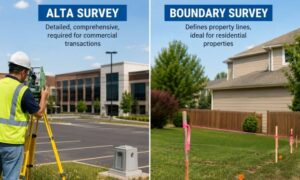
An alta survey does more than outline boundaries. It connects legal records with actual site conditions. When those two do not match, the gap becomes a risk that can affect access, development plans, and even the ability to close.
In a place like Pelham, where land has been shaped by years of mixed use and gradual growth, those gaps are not unusual.
Why ALTA Survey Findings Carry More Weight in Pelham
Pelham’s landscape creates conditions that don’t always show up in early planning.
The soil in this area tends to hold moisture, expand, and shift over time. After heavy rainfall, drainage paths can change just enough to affect how water moves across a property. At the same time, many parcels have been divided or repurposed over the years without consistent updates to legal descriptions.
On the surface, a property may look clean and straightforward. Once surveyed at the level required for an alta survey, small inconsistencies begin to appear. Those inconsistencies are not just technical details. They directly affect how the land can be used and what a buyer is actually acquiring.
That is why the alta survey often becomes one of the most important documents in a Pelham transaction, even though it is commonly treated as a final step.
What an ALTA Survey Often Reveals Too Late
When the survey comes in late, it tends to slow everything down.
A property might look like it has clear road access because people have been using it that way for years. Then the survey shows there’s no recorded easement behind it. That’s usually the point where lenders step in and the deal pauses until it’s cleared up.
Other times, it’s the boundaries. What’s written on paper doesn’t quite match what’s on the ground. A fence might sit a little over the line, or part of a parking area crosses into the neighboring parcel. It’s easy to miss during a walkthrough, but once it shows up on the survey, it can’t be ignored.
Drainage is another common issue in Pelham. The soil holds water, and after a stretch of rain, you start to see how it actually moves across the site. Areas that seemed usable at first can turn out to be more complicated once those patterns are visible.
Utility easements also come into play. What looks like open space may already have limits on what you can do with it.
None of this is new. It’s been part of the property all along. The survey just brings it into the open, and you start to see how an ALTA survey uncovers property issues that weren’t obvious earlier.
How These Findings Change the Direction of a Deal
Once the survey is reviewed, the conversation around the property often shifts.
A buyer who planned to move quickly may need to pause and evaluate whether the site still supports the intended use. Lenders may request clarification or additional documentation. Attorneys may step in to address boundary or access concerns.
In some cases, the solution is straightforward. An easement can be recorded, or a minor adjustment can be negotiated. In others, the issue runs deeper and affects the long-term usability of the property.
The key difference is timing. When these findings appear at the end of the process, they feel like obstacles. When they are identified earlier, they become part of informed decision-making.
Reading an ALTA Survey With a Practical Lens
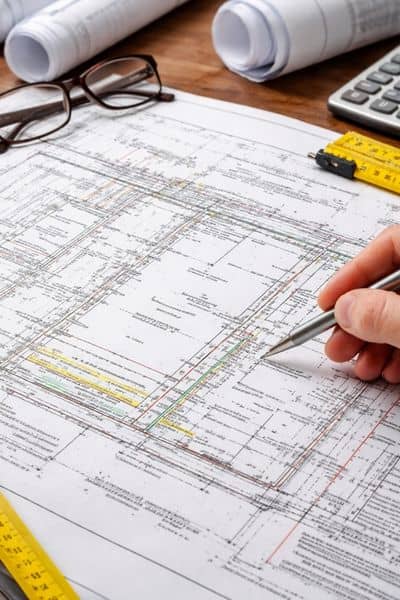
An alta survey can look dense at first glance, but the most important details are not difficult to understand when you know where to focus.
The goal is not to interpret every line. It is to understand how the property functions in real terms.
Access should be clearly defined and supported by recorded easements. Boundaries should align with visible features on the site. Easements should be reviewed in relation to planned improvements. Any note that references encroachment or conflict deserves attention.
This is where experience matters. A surveyor sees patterns that others may miss, especially in areas like Pelham where land conditions and historical use often overlap.
Why Timing Matters More Than the Survey Itself
The value of an alta survey is not just in what it shows, but when it is used.
If it is treated as a requirement to satisfy a lender, its role is limited. It confirms or disrupts what has already been decided.
If it is brought into the process earlier, it shapes those decisions. It helps determine whether a property is suitable before time and money are committed to design and planning.
This is how you start your project with accurate land data. The survey becomes part of the foundation of the project, not a final checkpoint.
In Pelham, where site conditions and recorded data do not always align cleanly, that timing makes a measurable difference.
Why Buyers and Developers Should Pay Closer Attention
Pelham continues to grow, and with that growth comes increased pressure on available land.
Properties that were once used for simple purposes are now being evaluated for commercial or mixed-use development. That shift exposes details that may not have mattered before but now carry real weight.
Older records, informal use patterns, and changing site conditions all come together during the alta survey process. Ignoring those details does not remove the risk. It only delays when it becomes visible.
Buyers who take the time to understand what the survey reveals are in a stronger position. They can adjust plans, negotiate with clarity, or move on when a property does not meet their needs.