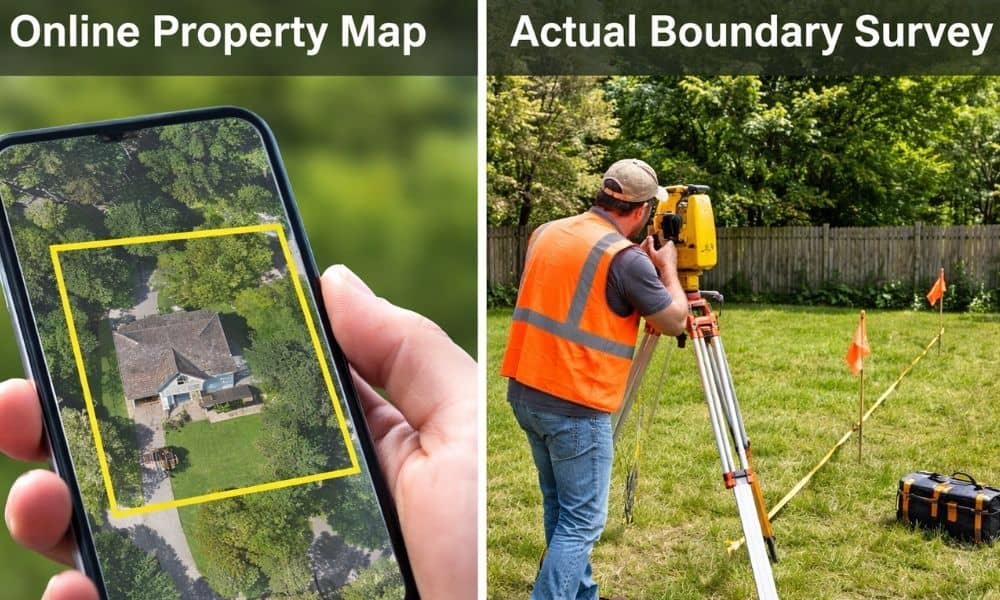
You open a map on your phone. You zoom in on your house. Then you see a clean line around your yard. It looks simple. It feels certain. So you think, “That must be my property.” Because of that, many homeowners start planning a fence right away. The line looks straight. It lines up with the shape of the lot. It even matches what you see outside. However, that confidence can be misleading. Those lines are not measured on your land. They are only visual guides. So even if they look accurate, they can still be off. And once you start building a fence, even a small error matters. That’s where a boundary line survey becomes important, and most people only realize it once they start laying out their fence.
Why Online Property Lines Feel So Accurate
At first glance, online maps seem reliable. They load fast. They show detailed images. And they place neat lines around properties.
Because of that, it’s easy to trust them.
But here’s the truth. Those lines are based on general data, not a current survey of your land. They help with reference, not with exact placement.
So while the line may look right, it still doesn’t tell you where your property truly begins or ends, or what your actual property line is.
Even worse, the error is often small enough to go unnoticed. Yet when you measure in real life, that small gap can shift your fence into the wrong spot.
How Fence Plans Go Wrong Without a Boundary Line Survey
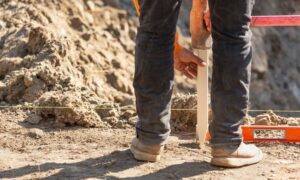
Once a fence project starts, everything becomes physical. You are digging, setting posts, and building something that stays in place for years.
Because of that, guessing becomes risky.
Many homeowners follow what they see on a map. They assume the line is correct. Then they place the fence along that line.
However, when the true boundary is checked later, the fence may not match.
Sometimes it sits too far into the neighbor’s side. Other times, it cuts into your own space more than needed. Either way, the layout is wrong.
And once materials are installed, fixing the problem becomes harder and more expensive.
Why the Cost of a Boundary Line Survey Surprises People
Another common reaction comes when homeowners ask for a quote.
They expect a low number. After all, the map already shows the line. So it feels like the job should be quick.
However, the price of a boundary line survey is often higher than expected.
Because of that, many people question the cost.
But the confusion comes from comparing two very different things. An online map is just a visual tool. A survey is a professional service that confirms legal boundaries.
So the price reflects the work behind it.
What Actually Happens During a Boundary Line Survey
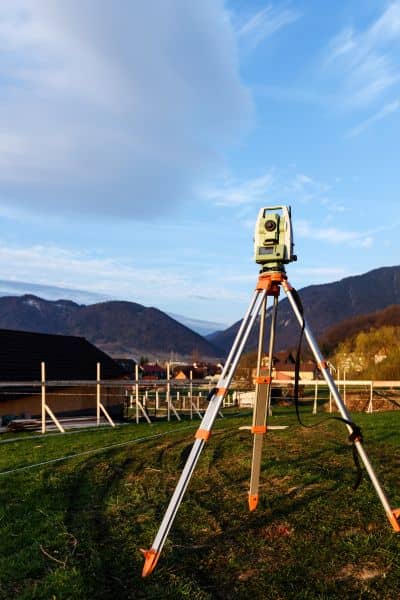
A boundary line survey involves more than just drawing a line.
First, the surveyor studies your property records. They check deeds, past surveys, and other documents. Then they compare that information with what exists on the ground.
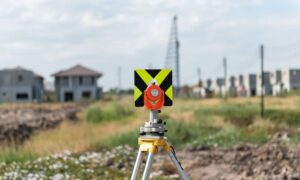
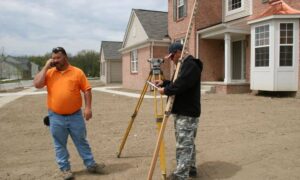
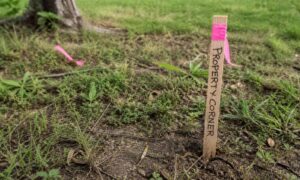
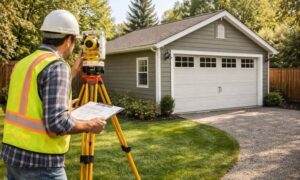
Next, they go out to your property. They take measurements. They look for markers. If needed, they set new ones to match the legal description.
Because of that process, the final result is not an estimate. It is a verified boundary.
And that difference matters when you are building something permanent.
Why This Situation Is Common in Roanoke
In Roanoke, many properties have been around for years. Some have changed hands many times. Others have unclear or missing markers.
Because of that, visual clues can be unreliable.
A fence that looks like a boundary may not be in the right place. A tree line may not follow the true property edge. Even older layouts may not match current records.
So when homeowners rely only on what they see, they often miss important details.
That’s why a boundary line survey is especially helpful in this area.
Building with Confidence Instead of Guessing
When you plan a fence, you want it done right the first time.
So instead of starting with assumptions, it helps to start with certainty.
A boundary line survey gives you that clarity. It shows exactly where your corners are. It confirms the direction of your property lines. And it helps you place your fence with confidence.
Because of that, you avoid second-guessing your layout. You also avoid making changes later.
In the end, it saves time, effort, and stress.
The Real Difference Between a Map and a Survey
Online maps are useful. They give you a quick look at your property. They help you understand the general layout.
However, they are not meant for building decisions.
A boundary line survey, on the other hand, is made for accuracy. It connects legal records with real-world measurements. It turns uncertain lines into verified ones.
So when the goal is something permanent—like a fence—the difference becomes clear.
One is a guide. The other is proof.
Why It’s Better to Know Before You Build
It’s easy to trust what you see on a screen. It feels fast and convenient. But when it comes to your property, small mistakes can turn into bigger ones.
Because of that, taking the extra step matters.
A boundary line survey helps you move forward with confidence. It removes doubt. It gives you a clear starting point.
And most importantly, it helps you build your fence in the right place from the start.
So before you begin your next project, make sure you are not just following a line on a map—make sure you are following the real one.