Buying property in Huntsville is a major move. Whether you’re looking at a historic home near Twickenham or a commercial development near Arsenal, the first thing you really want to know is what you’re actually dealing with on the ground. In some cases—especially with bigger or more complicated deals—an ALTA survey is what gets used to clear up the details everyone relies on before moving forward.
North Alabama’s landscape is diverse. We deal with everything from red clay soil to rocky terrain on Monte Sano. These geographic factors, combined with local zoning and building codes, make precision in land surveying more than just a formality. It’s your primary defense against future legal headaches.
Why a Standard Survey Might Not Be Enough
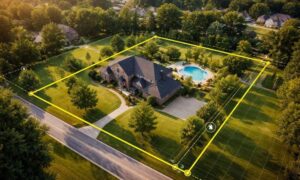
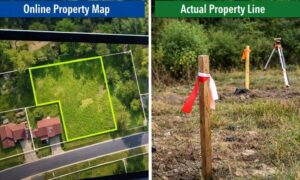
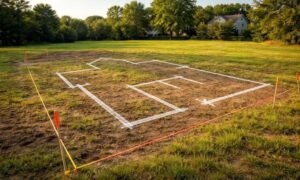
Most residential buyers are familiar with a basic boundary survey. It shows where your land ends and your neighbor’s begins. In a growing city like Huntsville, where new fences and additions go up every day, knowing these lines is vital to staying on good terms with the folks next door.
However, for commercial transactions or complex residential deals, a standard boundary survey often falls short. This is where the ALTA survey comes in.
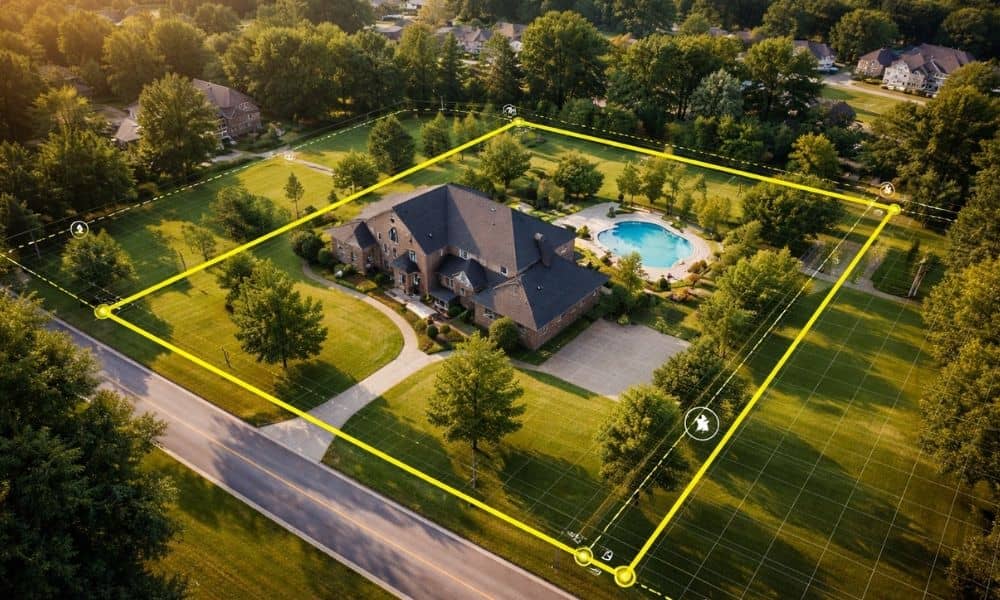
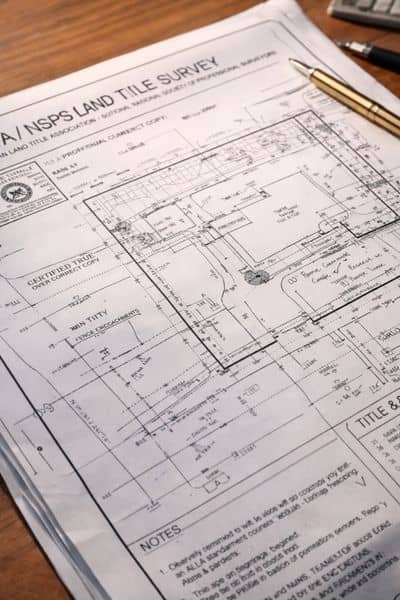
An ALTA survey follows national standards set by the American Land Title Association and the National Society of Professional Surveyors. It’s far more detailed than a typical residential plat. It doesn’t just show lines; it identifies easements, right-of-ways, and potential encroachments that could kill a deal or limit how you use your land.
The Role of ALTA Surveys in Huntsville Real Estate
If you’re moving into the commercial sector or purchasing a large tract of land for development in Madison County, your lender will likely require an ALTA survey.
These surveys provide a comprehensive view of:
- Easements: Utilities often have the right to run lines across your property. In Huntsville, with our rapid infrastructure expansion, knowing where these lines sit is critical before you break ground.
- Encroachments: Is a neighbor’s shed two feet over the line? Is your parking lot bleeding onto city property?
- Zoning and Setbacks: Local Huntsville development codes dictate how close you can build to the property line.
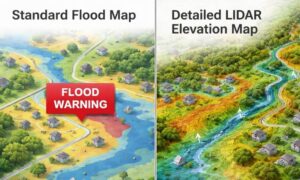
- Water Features: Given our regional rainfall patterns and local drainage requirements, identifying flood zones or wet areas on the survey is a must for long-term durability.
Navigating Local Soil and Terrain Challenges
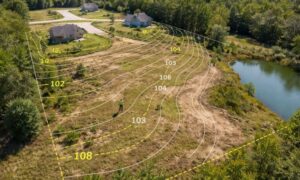
Huntsville isn’t flat. Our geography ranges from the limestone underpinnings of the valley to the steep slopes of the surrounding mountains. These variations affect how property is measured and how it can be developed.
Soil conditions here, particularly the presence of expansive clays, mean that where you place a structure matters. A professional survey helps you understand the topography so your builder can plan for proper drainage. Without a clear map of the elevation and boundaries, you’re essentially guessing where your most valuable assets sit.
Working with Local HOA and Building Guidelines
Many neighborhoods in the Huntsville and Madison area have strict Homeowners Association (HOA) guidelines. Before you install a pool or a fence, you usually need to submit a survey to the board.
Providing a professional, stamped survey makes the approval process smoother. It shows you’ve done the homework and that your improvements won’t infringe on common areas or neighbor properties. It’s about building trust with your community from day one.
The Long-Term Value of Professional Accuracy
Cutting corners on a survey is a short-term saving that often leads to long-term costs. If a boundary dispute arises five years from now, a cheap, inaccurate survey won’t hold up.
Investing in a high-quality survey means:
- Insurance Peace of Mind: Title companies use these surveys to provide “extended coverage,” protecting you from claims that a standard policy might miss.
- Resale Value: When you eventually sell your Huntsville property, having a clean, professional survey ready for the buyer speeds up the closing process.
- Construction Confidence: You can hand your survey to a contractor or architect knowing the data is solid.
Taking the Next Step
Property ownership is about more than just a deed. It’s about knowing every square inch of your investment. Whether you’re a first-time homebuyer or a seasoned developer, getting the right information upfront is the smartest move you can make.
If you have questions about which type of survey fits your specific project or need to look at an existing boundary line, reaching out to a local professional is the best place to start. Getting it right the first time is always easier than fixing a mistake later.