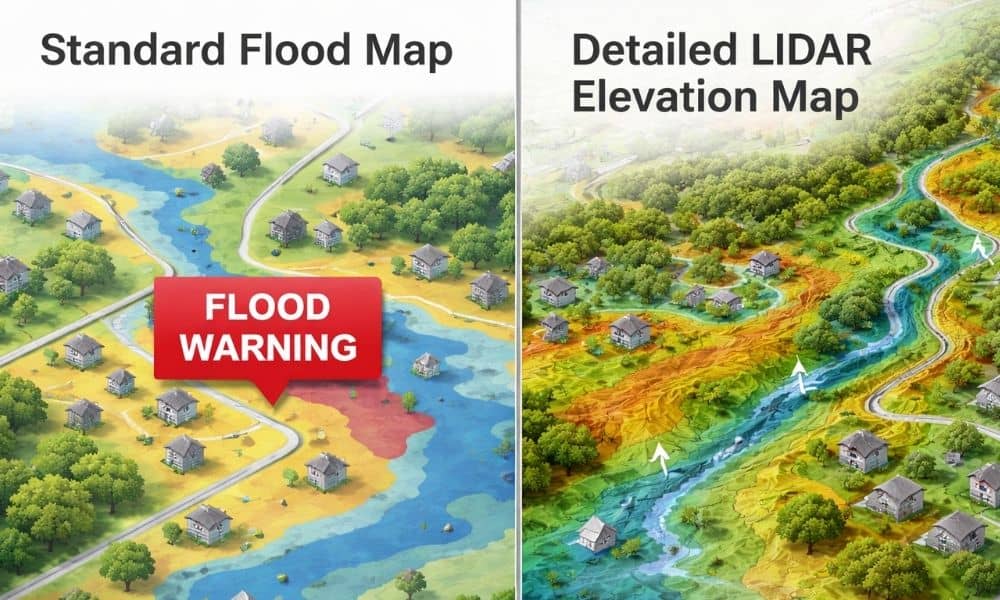
Flood alerts have improved a lot. They update faster and cover more areas. They even help separate normal flooding from unusual events. That sounds helpful, and it is. But when it comes to understanding what’s happening on your actual property, lidar mapping still plays a big role.
Still, there’s a catch.
These alerts don’t show what’s happening on your actual property. They look at large areas, not individual lots. So, while you may feel more informed, you’re still missing key details that affect your land.
That’s where many property owners run into trouble.
You check the alerts. You see no major risk. Then heavy rain comes, and water still builds up in your yard or near your structure. It feels confusing, but it happens more often than people think.
Why Better Alerts Can Still Lead to Bad Decisions
As flood alerts improve, people start to rely on them more. That makes sense. Still, that trust can lead to wrong assumptions.
A property outside a flood zone can still collect water. A lot that looks flat can still have a slight slope that traps runoff. These small details don’t show up in regional data. To really see what’s going on, you have to look at how the land actually sits, and that’s where lidar mapping for land elevation comes into play.
In Andalusia, this matters. Land can shift slightly from one spot to another. Even a few inches in elevation can change how water moves. That’s enough to cause pooling, erosion, or drainage problems.
So even with better alerts, the risk doesn’t go away. It just becomes harder to see without a closer look.
What Lidar Mapping Shows That Alerts Miss
This is where lidar mapping starts to matter.
It shows you what the land is really doing. Not just a general view, but how the ground actually sits across your property.
With lidar mapping, you can spot small dips that hold water. You can see where runoff travels after a storm. You can also see how slight slopes push water toward or away from a structure.
These details make a big difference. They explain why one area stays dry while another keeps collecting water. And when you can see that clearly, lidar mapping for better drainage planning just makes sense.
Flood alerts can warn you that something might happen. Lidar mapping shows you exactly why it happens and where.
What This Looks Like on Real Properties
Picture a buyer looking at land just outside town. The listing looks clean. No flood zone issues. Everything checks out.
After a few storms, water starts to pool in one corner. It turns out the land drops slightly in that area. It wasn’t obvious at first glance. It wasn’t clear on standard maps either.
Now imagine a builder preparing a small project. The design looks solid. Then water starts moving toward the structure instead of away from it. That leads to changes, delays, and extra cost.
These are not rare situations. They happen because small elevation changes go unnoticed.
Lidar mapping helps catch those issues early.
When Nearby Changes Affect Your Property
Another thing people don’t expect is how nearby work can shift water flow.
A neighbor clears land. A small development goes up. Even minor grading can change how water moves across the area.
Flood alerts won’t reflect those small changes. They stay focused on broader conditions.
But your property still feels the impact.
Water may now flow into your lot instead of past it. Or a new slope might direct runoff toward your foundation. Without detailed mapping, it’s hard to understand why this is happening.
Why Skipping Lidar Mapping Can Cost You
Many property owners rely on basic maps and alerts. That feels easier and cheaper at first.
Then problems show up later.
You might need to adjust a site plan after work begins. You might deal with standing water that damages soil or structures. You might face delays because drainage needs to be fixed before moving forward.
These issues don’t always appear right away. But once they do, they can slow everything down and add unexpected costs.
How Lidar Mapping Helps You Make Better Choices
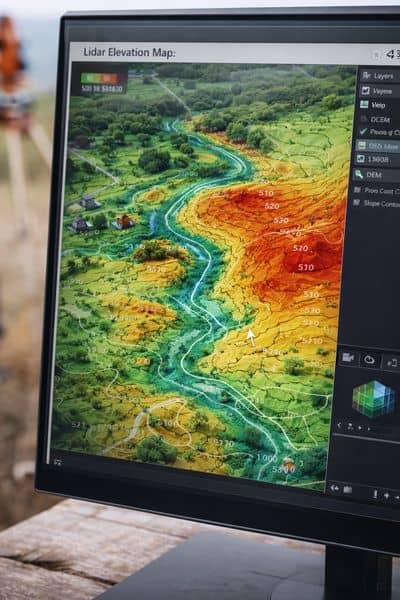
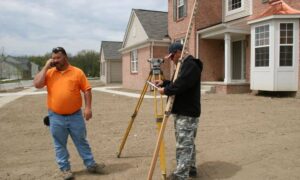
A land survey team uses lidar mapping to gather precise data about your site. They study how the land slopes, where water will move, and where it might collect.
This helps you plan ahead.
You can adjust grading before construction starts. You can place structures in better locations. You can fix drainage problems before they become expensive.
Instead of reacting to issues later, you avoid them early.
When It Makes Sense to Use Lidar Mapping
You don’t need lidar mapping for every situation. Still, there are times when it makes a big difference.
It helps when you’re buying land and want to avoid hidden problems. It helps before finalizing a site plan. It helps if your property already has water issues that don’t make sense.
It also helps when the land looks flat. Flat land can hide subtle slopes that change everything.
Why This Matters in Andalusia
Andalusia sees strong rain at times. Water moves quickly across certain areas, especially where the land dips slightly.
A property can look safe on paper but still deal with runoff problems. That gap between what maps show and what actually happens is where mistakes occur.
Lidar mapping fills that gap. It gives you a clear picture of your specific property, not just the region around it.
Better Alerts Still Need Better Insight
Flood alerts will keep improving. That’s a good thing. They help people stay aware and prepare for storms.
But they don’t replace detailed land data.
If you want to make smart decisions about your property, you need to see how water behaves on your land. That’s what lidar mapping provides.
In Andalusia, that level of detail can save time, reduce risk, and prevent costly surprises.