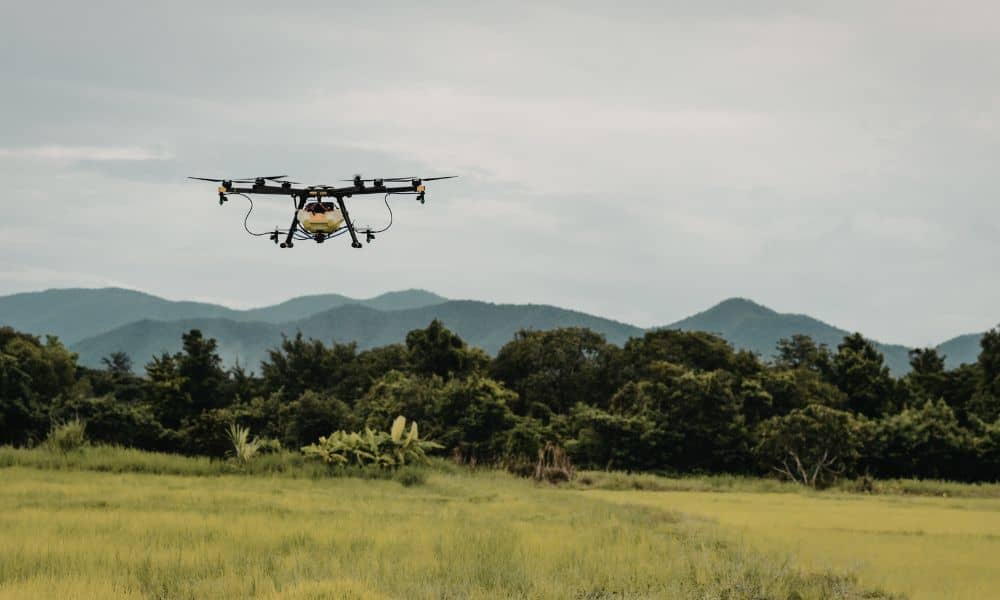
If you have seen a drone flying over a neighborhood lately, you are not alone. Drone land surveying has become more common across Alabama, including here in Sylacauga. At the same time, recent viral news from overseas has raised alarms about drones being used for surveillance and enforcement. As a result, many property owners now wonder: Is that drone measuring land, or is it watching people?
Why Drone Headlines Changed How People Feel
Over the past few days, a viral story from the UK showed local councils expanding drone use for monitoring, inspections, and enforcement. Critics quickly labeled these tools as “spy in the sky” technology. Even though the story happened overseas, the reaction spread fast online. Naturally, it shaped how people everywhere view drones.
Because of that shift, any drone now draws attention. When neighbors see one overhead, they may feel uneasy. They may assume someone is watching them. However, that assumption often misses the truth, especially when the drone belongs to a licensed land surveyor.
Why Drone Land Surveying Gets Pulled Into the Debate
Surveyors did not cause this backlash. Still, drones used for land surveys look similar to other drones. Therefore, the public lumps them together. That creates confusion.
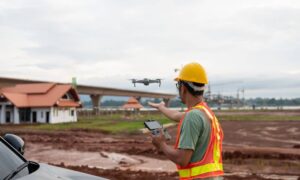
Drone land surveying focuses on land, not people. Surveyors use drones to measure ground features, elevation changes, and surface details. They do not use them to monitor behavior. Even so, headlines about surveillance make it harder for property owners to tell the difference.
Because perception matters, surveyors now spend more time explaining what their drones do before any flight begins.
What Survey Drones Actually Capture
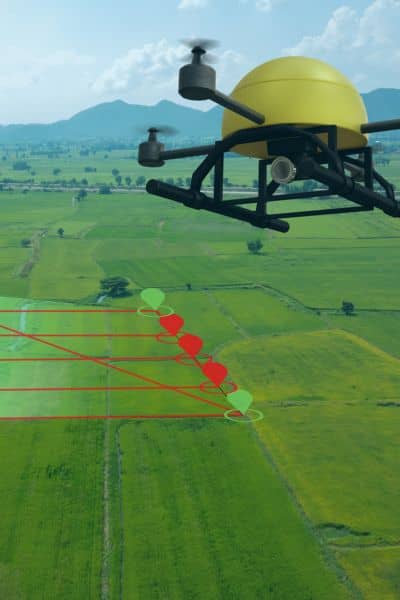
Many concerns come from not knowing what the camera sees. In reality, survey drones collect technical data that looks boring to anyone outside the profession.
They capture:
- Ground surface shapes
- Elevation changes
- Tree lines and drainage paths
- Buildings and hard surfaces
They do not capture:
- Personal activity
- Faces or identifying details
- Audio or conversations
- Images inside homes
In short, survey images focus on land features. They help engineers and planners understand how the ground behaves. They do not record daily life.
Why Property Owners Feel More Aware
Sylacauga has a mix of residential neighborhoods, wooded land, and open parcels. Because of that, drones often fly lower and feel more noticeable. A drone over a small lot feels closer than one over a large rural tract.
Also, many homeowners here value privacy. When new technology appears overhead, questions come up fast. Even if the survey serves a construction or planning need, neighbors may still worry.
That reaction makes sense. New tools often feel uncomfortable before people understand them.
How Responsible Surveyors Handle Privacy
Professional surveyors know these concerns exist. Therefore, they take steps to reduce anxiety and build trust.
They explain:
- Why the drone is needed
- How long the flight will last
- What area the drone will cover
- How the data will be used
They also plan flights carefully. Surveyors limit coverage to the survey area. They avoid unnecessary passes over neighboring properties whenever possible. In addition, they store data securely and use it only for the project.
Because of this approach, drone surveys often feel less intrusive than traditional methods.
Why Drones Can Be Less Disruptive Than Ground Crews
Many people assume drones increase disturbance. However, the opposite often happens.
Traditional surveys may require:
- Multiple crew members on site
- Equipment placed across the property
- Longer field time
Drone surveys often finish faster. A short flight can collect data that would take days on foot. As a result, fewer people walk the land. Less equipment stays on site. The work wraps up sooner.
For homeowners, that means less interruption and faster results.
Clearing Up the Surveillance Myth
Surveillance drones watch people. Survey drones measure land. That difference matters.
Surveyors care about accuracy, not activity. Their goal is to understand slope, drainage, and boundaries. They want clean data that supports design and planning. Anything unrelated only gets in the way.
Once property owners understand that purpose, the fear often fades. Clear communication turns concern into confidence.
What to Ask If a Drone Survey Is Planned Near You
If a surveyor plans to use a drone on or near your property, you have every right to ask questions. A good professional will welcome them.
You can ask:
- What is the goal of the survey?
- How long will the drone fly?
- What type of data will you collect?
- Who will see the results?
When answers come clearly and calmly, trust grows. That conversation matters more now than ever.
Why This Conversation Matters Going Forward
Drone technology will not disappear. In fact, it will continue to grow because it works. At the same time, public concern will remain high as long as surveillance stories circulate online.
That makes education critical. When people understand how drone land surveying works, fear loses its grip. Property owners feel more comfortable. Projects move forward smoothly. Neighbors worry less.
Final Thoughts for Property Owners
Recent drone crackdowns changed how people see drones. However, those stories focus on monitoring, not surveying. Drone land surveying serves a practical purpose. It helps plan safe roads, smart developments, and accurate property layouts.
If you see a drone nearby, pause before assuming the worst. Ask questions. Learn the purpose. In most cases, the drone measures dirt and elevation, not daily life.
Understanding the tool changes the conversation. Knowledge protects privacy. Clear facts replace fear.