Construction projects are moving forward, but many are no longer starting as quickly as they used to. Across the country, builders and developers face longer approval cycles, cautious lending, and tighter labor availability. These issues slow down the moment when equipment finally rolls onto a site. While delays may seem like a planning issue, they create real effects on how site layout work happens. In Dothan, these changes are reshaping how construction staking fits into the building process. Timing now matters more than ever, and early decisions can affect costs, accuracy, and inspections later on.
Why project starts are slowing down in 2026
Many construction teams expected 2026 to bring steadier momentum. Instead, projects often stall between approval and execution. Financing reviews take longer. Material pricing stays unpredictable. Labor scheduling remains difficult.
As a result, many sites sit idle after permits are cleared. Plans look ready, but ground work does not begin right away. This pause affects every early-stage task, including surveying and layout.
Construction staking depends on when construction truly begins, not just when plans are approved. When those dates drift apart, problems follow.
How delayed starts affect site layout on real jobs
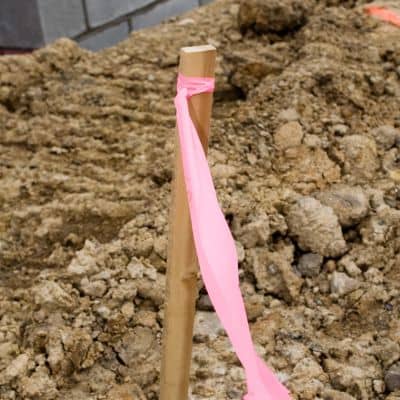
Construction staking marks the physical layout of a project. Stakes guide where foundations, walls, utilities, and grades belong. These markers are temporary by design. They work best when construction follows soon after placement.
However, when a project pauses, stakes face weather, site access, and ground disturbance. Rain softens soil. Clearing crews move through layout areas. Temporary roads cross staked lines. Over time, even well-set stakes lose reliability.
When crews finally arrive weeks or months later, layout points may be missing or inaccurate. At that stage, surveyors often need to return to verify or reset the site. That adds cost and can delay the schedule even further.
Why Dothan sites feel this impact more clearly
Local conditions matter. The Dothan area features mostly flat terrain with small elevation changes. While this may appear simple, it requires precise grading. Even slight errors can affect drainage and slab elevations.
Flat sites leave less room for correction. A few inches off can cause water to collect where it should not. That risk grows when layout work happens long before construction begins.
Because of this, construction staking dothan al projects now require more planning around timing than in past years. Surveyors and builders must coordinate layout with actual mobilization instead of ideal schedules.
The old workflow no longer fits today’s timelines
In earlier years, many projects followed a predictable path. Permits cleared, staking happened, and construction started soon after. Stakes stayed in place just long enough to guide crews.
That workflow breaks down when a delay starts. Staking too early now creates exposure risk. The longer a site sits, the higher the chance that layout points become unreliable.
Today’s projects demand flexibility. Layout work must adjust to shifting schedules rather than follow a fixed order.
Common mistakes during delayed project starts
Many issues come from simple assumptions. One common mistake involves ordering staking as soon as permits are clear. While that once made sense, it now often leads to rework.
Another issue involves communication gaps. If start dates change and surveyors do not know, stakes remain exposed longer than planned. When construction finally begins, layout accuracy becomes uncertain.
Some clients also assume stakes last indefinitely. In reality, they serve as short-term guides. They work best when tied closely to construction activity.
How experienced surveyors adapt to longer schedules
Professional surveyors now plan staking around real-world delays. Instead of setting everything at once, they may phase layout work to match construction stages. This reduces the time stakes remain exposed.
Surveyors also rely on control points placed outside active work zones. These allow quick checks if delays occur. When crews mobilize later, the surveyor can verify accuracy without starting over.
Clear communication plays a major role as well. Surveyors who stay informed about schedule changes can recommend better timing and avoid unnecessary re-staking.
What builders and owners should plan for this year
Projects moving forward in 2026 benefit from realistic layout planning. Instead of asking how soon staking can happen, clients should ask when it should happen.
Aligning staking with confirmed mobilization dates helps avoid extra costs. Planning for possible verification also helps manage expectations. While it may seem like an added step, it often prevents larger problems later.
Understanding site conditions also matters. Flat terrain demands precision. That makes timing even more important when delays occur.
How delays affect inspections and approvals
Delayed starts also influence inspections. Inspectors rely on accurate layout to confirm setbacks, elevations, and compliance. If stakes no longer reflect approved plans, inspections may fail.
That leads to rescheduling, corrections, and further delays. Properly timed construction staking helps inspections move forward smoothly once work begins.
Planning matters more than speed in uncertain markets
In today’s environment, rushing rarely helps. Delays create risk, but good planning reduces it. Construction staking now plays a strategic role rather than a simple task.
By aligning layout work with real schedules, projects stay accurate even when timelines stretch. This approach protects budgets, supports inspections, and keeps construction moving once crews arrive.
Moving forward with confidence
Construction in 2026 requires patience and coordination. Delayed starts are part of the landscape, not an exception. Site layout work must adapt to that reality.
When construction staking aligns with real conditions instead of optimistic timelines, projects avoid unnecessary setbacks. In Dothan, careful planning helps ensure that once construction begins, it starts on solid ground.
The key lies in treating staking as part of the overall strategy, not just a box to check.