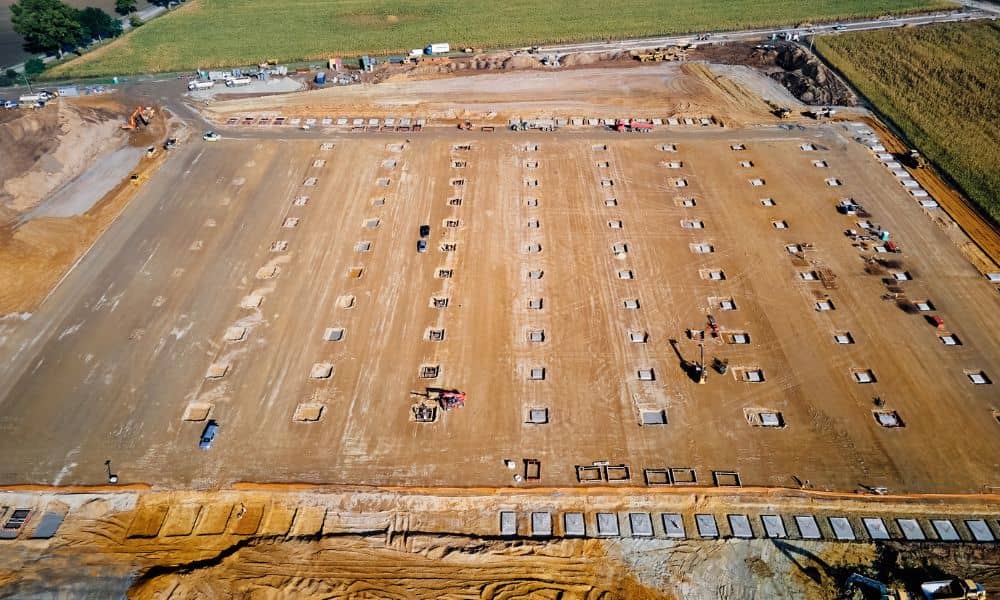
Alabama just approved a major update for 2025: a new $11 million mine-land revitalization program that will turn old and damaged land into places ready for building. This is important for developers, landowners, and city planners. It also matters for civil engineers because grading plans will guide how these sites get fixed and shaped. Many abandoned mine areas need stronger soil, better slopes, and safer drainage before anyone can build on them. And since Huntsville keeps growing fast, this funding will soon affect how land development works across North Alabama.
Old mine lands often sit unused for years. The soil becomes weak, the slopes change, and water collects in areas where it shouldn’t. Because of this, the ground becomes unsafe. Now that Alabama wants to restore these sites, the state hopes to give this land a second chance. This means new opportunities for communities and builders. It also means civil engineers will need to reshape the land, control stormwater, and prepare safe building pads on ground that mining changed long ago.
A New Opportunity for Alabama’s Communities
The plan’s goal is simple: take abandoned mine sites and turn them into places people can use again. Some may become parks or trails. Others may support small businesses, storage buildings, or community spaces. Since this is a statewide plan, counties near Huntsville may soon see new interest in these areas.
This creates new demand for engineering services. Mine sites are not easy to build on. Slopes may be unsafe. Soil may not hold weight well. Water may drain in strange ways. So the first big step in preparing these sites is reshaping the land. And that depends on smart grading design.
Why Grading Becomes the Main Focus on Mine-Land Sites
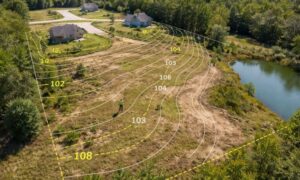
Grading shapes the land. Engineers adjust slopes, manage stormwater, and make sure the soil stays strong. On normal land, grading follows clear patterns. On mine-damaged land, things get more complicated.
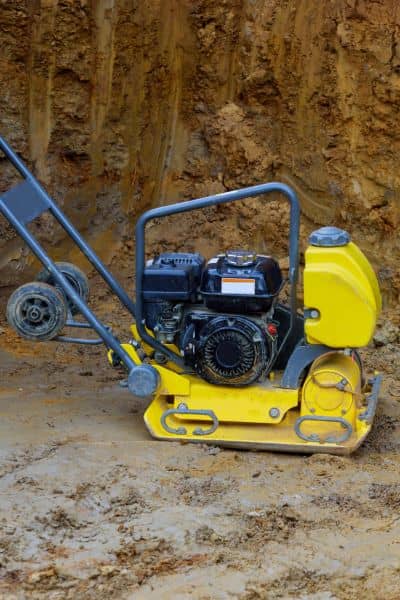
Mining often leaves soft soil or buried pockets that shift over time. Engineers may need to add more fill, compact the ground harder, or remove weak material before anything gets built.
Water also acts differently on these sites. Old mines can trap water or create sudden runoff during heavy rain. Engineers must guide water safely away from buildings, roads, and open areas. This means grading plans must work closely with stormwater design.
Many mine sites also have steep ridges or uneven ground. Engineers need to smooth these areas so they become safe for development. Good grading helps stop erosion and prevents future problems.
All of this makes grading the key to turning damaged land into safe, stable, usable land.
How This Affects Huntsville and North Alabama
Huntsville keeps growing at a fast pace. New homes, stores, schools, and warehouses spread into counties like Madison, Limestone, Morgan, and Jackson. With so much demand, Alabama needs more land that can support safe building.
Reclaimed mine land could give the region new places to grow. Developers looking for affordable land may start considering these areas. And since the state now helps pay for cleanup, these sites may open sooner than expected.
Civil engineering companies will see more requests for site layouts, stormwater planning, road design, and earthwork. Every step connects back to grading. Without strong grading plans, the land could settle, erode, or flood. With the right engineering, these sites can support long-term growth.
What Developers and Landowners Should Expect
People planning projects on mine-land sites should understand a few things. First, grading may cost more than it would on normal land. The extra steps protect the project from future problems.
Next, good drainage matters a lot. Old mine areas often drain poorly. Engineers need to guide stormwater through safe paths and shape the land so water doesn’t pool or run downhill too fast.
Developers should also expect tighter rules during permitting. Since the state invests money into fixing these sites, inspectors will look closely at the engineering work. Strong grading plans help move approvals faster.
Finally, bringing in a civil engineer early will save time and money. Engineers can check the land, spot problems early, and help plan a better project from the start.
How Civil Engineering Firms Can Prepare
Civil engineering firms across Alabama will feel the impact of this program. They need updated tools, better soil data, and teamwork with geotechnical experts. Mine land changes over time, so engineers must design grading plans that stay firm even as the ground settles.
They also need clear communication skills. Many developers do not know how much work goes into preparing mine-damaged land. Engineers must explain the value behind extra soil testing, more fill material, or stronger erosion control. When clients understand this early, the project runs smoother.
Since the revitalization plan supports many kinds of redevelopment, engineering firms that prepare now can guide more clients and win more work.
A New Path for Alabama’s Future Growth
Alabama’s $11 million mine-land revitalization plan marks the start of a new chapter. Land that sat empty for years may soon support homes, businesses, parks, or small industries. But none of this progress happens without strong engineering. Grading plans form the base of safe redevelopment because they shape the ground, guide stormwater, and prepare the site for everything that comes next.
As Huntsville expands, reclaimed land may help meet the growing need for space. Developers who understand this early will move quicker and make smarter choices. And engineering firms that prepare now will stay ahead.
If you want to build, now is a great time to explore your options. With the right grading plan, even challenging land can support safe, lasting growth.