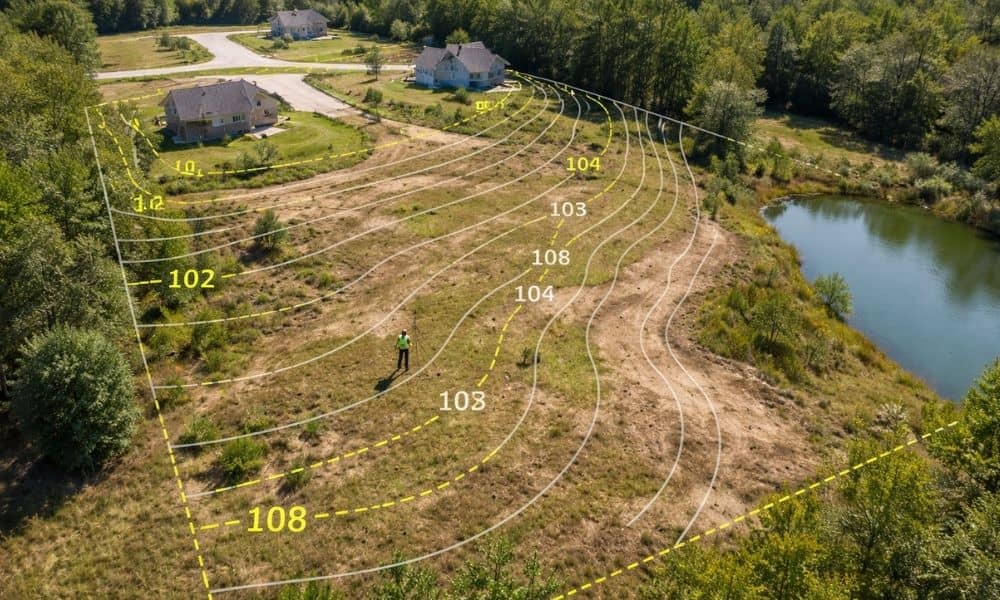
A dothan al topographic survey often comes into the process later than it should. By then, plans are already drafted, budgets are outlined, and timelines are moving forward.
Then the land pushes back.
In Dothan, that disconnect shows up more often than people expect. Many properties appear level from the surface, yet small elevation shifts sit just beneath that appearance. Those shifts may seem minor at first, but once grading begins or concrete is poured, they start to influence everything.
This is where early decisions either hold up or start to unravel.
Clean Plans Don’t Always Translate to Real Ground Conditions
A site plan can look precise on paper. Building placement makes sense. Drainage paths are clear. Access points seem straightforward.
That clarity depends on one assumption: the ground behaves exactly as expected.
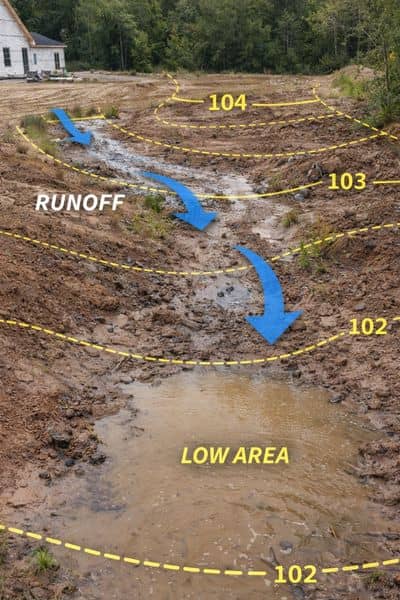
Once real elevation data is introduced, adjustments begin. A slight slope alters runoff direction. A low area holds water longer than planned. A raised section changes how the entire site drains.
These are not dramatic differences. They are subtle shifts that affect performance over time.
Design without accurate topo data tends to rely on general grading assumptions. In Dothan, those assumptions rarely hold across an entire property.
Small Elevation Changes Influence Long-Term Performance
Most construction issues tied to grading do not come from steep terrain. They come from gradual changes that go unnoticed early on.
A shallow dip can collect water after every storm. A slight ridge can redirect flow toward a structure or across property lines. Over time, these patterns lead to standing water, soil movement, or drainage complaints.
Dothan’s rainfall patterns add pressure to these conditions. When heavy rain hits compacted or clay-heavy ground, water moves across the surface rather than soaking in quickly.
Without a topographic survey, these patterns remain hidden until they show up as problems.
Soil Conditions in Dothan Add Complexity
Clay-heavy soil is common across the region. It behaves differently from sandy or well-draining ground.
Water stays near the surface longer. The soil expands when saturated and tightens as it dries. That movement affects foundations, slabs, and surface grading over time.
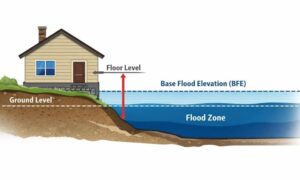
Accurate elevation data helps account for how water will interact with the site. It supports better grading decisions before construction begins.
Ignoring that step often leads to repeated adjustments after the project is already in motion.
Grading Decisions Can Extend Beyond One Property
Development in and around Dothan continues to grow, especially in residential areas and smaller commercial projects. As properties are developed, elevation changes on one lot can influence surrounding land.
Raising a building pad or shifting grade may redirect water onto a neighboring property. These changes are not always obvious during planning, especially when working from limited data.
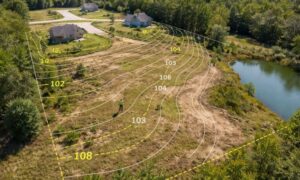
A topographic survey provides a broader view of how elevation interacts across property lines. That visibility helps reduce the risk of drainage conflicts and long-term disputes.
Driveway Layout Often Reveals Early Mistakes
Driveways tend to highlight grading issues quickly. What looks acceptable in a plan can become impractical once constructed.
Slope may be steeper than expected. Water may collect at the base instead of draining away. Alignment with the road may require adjustment due to elevation differences.
In parts of Dothan where roadside ditches are present, these details become more sensitive. Proper driveway design depends on accurate elevation points.
When those points are missing, corrections happen later, usually at a higher cost.
Larger Parcels Carry Hidden Elevation Changes
Properties outside more developed areas often appear simple at first glance. Open land can look consistent across its surface.
In reality, these sites may include:
- Low areas that retain water
- Subtle grade transitions that affect drainage
- Natural features that influence layout
These details are not always visible until clearing begins or after rainfall.
A topographic survey brings those conditions forward before any physical work starts. That allows planning to reflect the actual site, not just its appearance.
Timing Has a Direct Impact on Project Flow
Introducing topo data late in the process forces adjustments. Plans may need revision. Permits may require updates. Construction schedules can shift while changes are reviewed.
When elevation data is gathered early, those issues are addressed before they affect progress. The design phase becomes more accurate, and fewer corrections are needed later.
This approach supports a smoother transition from planning to construction.
Understanding Where Topographic Surveys Fit
Topographic surveys serve a different role than other survey types.
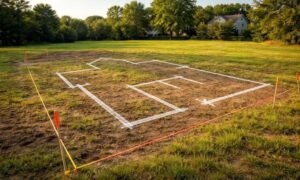
Boundary surveys define property limits. Construction surveys guide placement during building. A topo survey explains how the land behaves between those points.
For projects in Dothan, that behavior plays a direct role in grading, drainage, and long-term site performance.
Missing that layer of information leaves key decisions based on incomplete data.
Planning with Better Ground Data
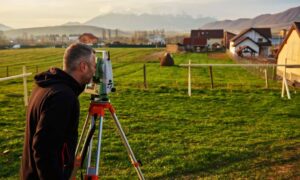
A topographic survey gives a clearer picture of how a site will respond once work begins. It allows decisions to be based on measured conditions rather than surface assumptions.
For property owners, builders, and developers, that clarity helps reduce revisions, control costs, and keep projects moving in the right direction from the start.