Many homeowners feel confused when they check a flood map and see low risk, yet their insurance quote tells a different story. This happens more often than people think. In fact, many property owners talk about this problem online. They say the map shows one level of risk, but the insurance company shows another. Because of this mismatch, homeowners start looking for answers. They want to know why the two things do not match. More importantly, they want to understand the real flood risk of their property. In many cases, the missing piece is an elevation certificate. This document shows how high a building sits compared to the flood level expected in that area. Once homeowners begin to see what an elevation certificate shows, the difference between the flood map and the insurance quote often starts to make more sense.
Why Flood Maps Do Not Always Match Real Flood Risk
Flood maps help communities see where flooding may happen during big storms. These maps divide land into zones that show flood risk. Some zones show higher risk, while others show lower risk.
However, these maps look at large areas of land. They do not measure the exact height of every home.
Because of that, two homes in the same flood zone may sit at different heights. One house may sit on slightly higher ground. Meanwhile, another home nearby may sit closer to lower land where water moves during storms.
Both homes appear the same on the map. Yet their flood risk may not be the same.
Flood maps still help people understand general flood patterns. Still, they cannot show how each building sits compared to flood levels.
Because of that, homeowners sometimes feel surprised when flood risk looks different than expected.
Why Insurance Estimates Can Look Higher
Flood insurance companies look at many things when they estimate risk. Flood maps are important, but they are not the only tool.
Insurance models also consider the shape of the land, nearby rivers or creeks, and rainfall patterns. Local drainage and past flood events may also affect how water moves during storms.
Because of these factors, insurance companies sometimes see higher risk than a flood map alone shows.
That is why homeowners sometimes face this problem: the flood map looks safe, but the insurance quote feels expensive.
At that point, many people begin asking questions. They want to understand how their home actually sits compared to floodwater levels. This is often when homeowners start thinking about getting an elevation certificate for your property, since it shows how high the building sits compared to expected flood levels.
What an Elevation Certificate Actually Shows
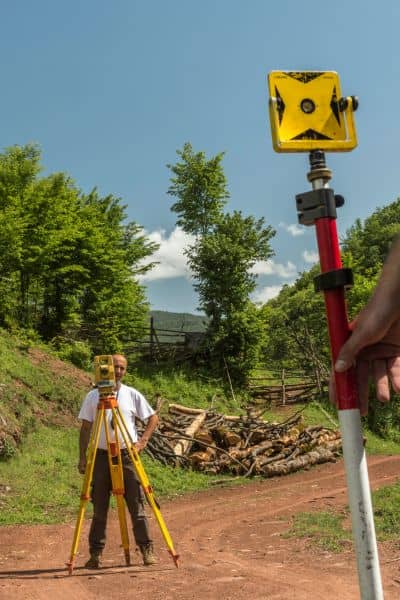
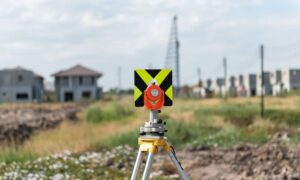
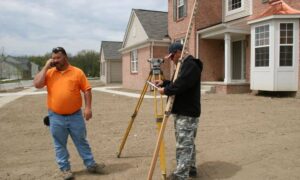
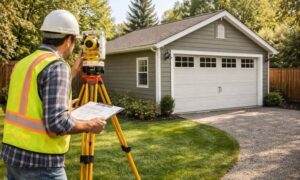
An elevation certificate shows how high a building sits compared to expected flood levels. A licensed land surveyor collects this information using survey tools.
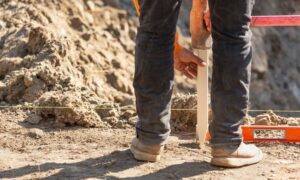
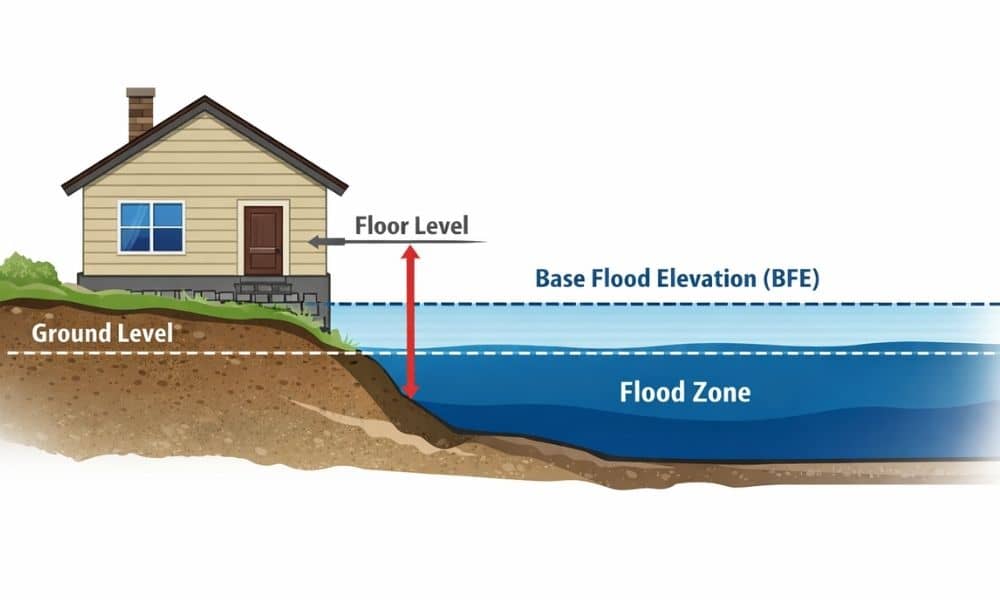
The surveyor measures the height of the structure and the ground around it. Then the surveyor compares those numbers with the Base Flood Elevation, which is the water level expected during a major flood.
The certificate records these measurements so homeowners can clearly see how their building sits compared to possible floodwater.
Instead of using only a flood map, homeowners can see real numbers tied to their home.
This helps people understand how their property fits into the land around it.
How Elevation Data Helps Explain the Difference
Many homeowners feel frustrated when the flood map and the insurance quote do not match. However, the difference often comes from missing elevation data.
Flood maps show flood zones across large areas. They do not measure how high each house sits above the ground.
An elevation certificate fills that gap.
When homeowners see the elevation of their structure, they can tell whether their home sits above nearby flood levels or closer to them. Even a small height difference can change how water moves during heavy storms.
Because of that, elevation data often explains why flood risk may appear higher or lower than expected.
Instead of guessing, property owners can look at real measurements.
Why Elevation Matters in Tuscaloosa
In Tuscaloosa, elevation plays an important role in how water moves during storms. The Black Warrior River runs through the area, and several smaller creeks move water through nearby neighborhoods. During heavy rain, these waterways can rise quickly.
Local drainage also affects how water moves across the land. When storms bring a lot of rain, water often flows toward low areas.
Because of this landscape, small changes in elevation can affect how floodwater spreads during storms.
A home that sits just a little higher than nearby land may stay dry. Meanwhile, a home that sits slightly lower may face more flood risk.
Understanding this height difference helps homeowners better understand their property.
Why Homeowners Start Looking for Elevation Information
Many people do not think about elevation until a question appears.
Sometimes homeowners receive an insurance quote that feels higher than expected. Naturally, they want to understand why their property appears riskier than the flood map suggests.
Other times, buyers look at property near a creek or river and want to understand how the land behaves during heavy rain. Talking with neighbors about past storms can also raise questions about flood risk.
In situations like these, elevation information becomes very useful.
An elevation certificate provides the measurements that show exactly how a building sits compared to expected flood levels.
Once homeowners see this information, they often understand their property better.
When Flood Maps and Risk Estimates Do Not Match
Flood maps remain an important tool for showing flood risk across large areas. However, they cannot measure the height of every building.
Because of that, homeowners sometimes see differences between the flood map and other flood risk estimates.
An elevation certificate helps explain this difference. It provides clear measurements that show how a structure sits compared to flood levels in the area.
For property owners, this information can help explain confusing situations. Instead of relying only on flood maps, homeowners can use elevation data to better understand how their property sits within local flood conditions.