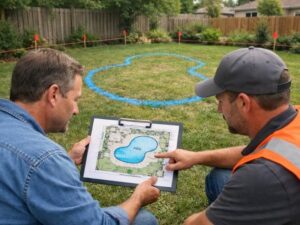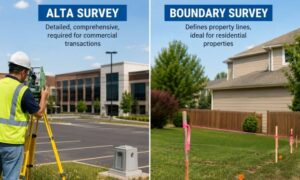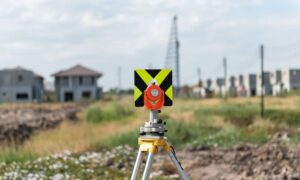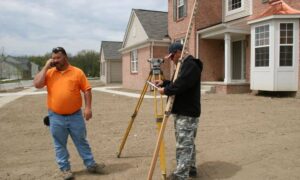
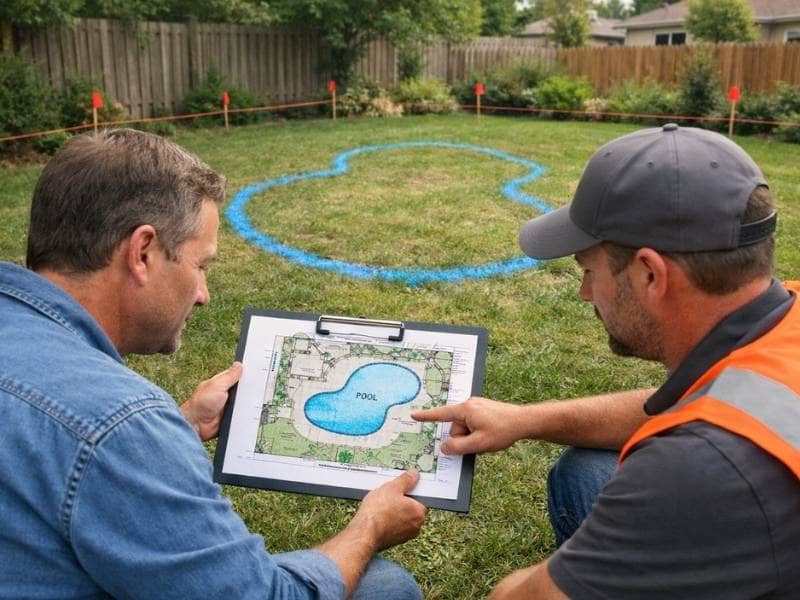
Installing a pool is one of the best upgrades you can make to your backyard. But before any digging starts, you need to know exactly where your property lines are. A boundary survey gives you that information. It maps out the edges of your lot so you and your contractor can plan the project with accurate data. Without it, you risk building in the wrong spot, running into permit problems, or starting a dispute with a neighbor. Getting a survey before construction begins is one of the most practical steps a homeowner can take.
How Pool Setback Requirements Can Affect Backyard Design
A setback is the minimum distance a structure must sit from a property line. Local zoning rules set these distances, and they vary by zone and lot size. Most residential areas require pools to sit at least five feet from the nearest property line, though some zones require more.
Most homeowners don’t think about setbacks until a contractor brings them up. On a smaller lot, even a five-foot offset can seriously affect where a pool fits. Without knowing exactly where your property ends, you might plan a layout that looks fine on paper but fails local code.
A boundary survey shows the exact location of your property lines before any digging begins. That way, your designer and contractor can plan the pool within the buildable area from day one. This prevents costly redesigns partway through the project. Site-related issues, including setback violations, are among the most common causes of residential construction delays.
Identifying Hidden Easements That Could Limit Pool Placement
An easement is a recorded legal right that allows another party to use part of your property for a specific purpose. Easements stay on the property even after you buy it, and they can restrict where a pool may be built.
Common easements that affect pool placement include:
- Utility easements, which protect buried lines for electricity, gas, water, and sewer
- Drainage easements, which keep stormwater flow paths clear
- Access easements, which allow others to cross part of the property
These often run along the back or sides of a lot. You cannot find them by walking in the yard. Many property owners don’t know about recorded easements until a survey or title search turns them up.
A boundary survey that references your recorded deed can help locate easements on your property. Once you know where they are, you can plan around them. Building a pool inside an easement without knowing it can lead to forced removal or legal trouble. Finding out before construction is far less expensive than finding out after.
Why Existing Improvements Should Be Verified Before Construction
Before placing a pool, confirm that existing features, including fences, sheds, patios, and retaining walls, actually fall within your property boundaries. Improvements that cross a property line can reduce your buildable area and cause neighbor disputes.
Over the years, backyards grow. Previous owners may have added a fence, a shed, or a patio that feels like part of the property but doesn’t fully sit within the lot lines. This happens more often than most people expect.
A boundary survey locates all existing improvements relative to your actual property lines. You get a clear, accurate picture of what is on the lot and where. From there, your contractor can design the pool based on verified site conditions, not guesses.
How Accurate Boundary Data Prevents Permit Problems
Pool permit applications usually require a site plan that shows the pool’s location in relation to property lines. A boundary survey provides the accurate measurements needed to produce that plan correctly the first time.
If a site plan has wrong boundary data, the permit office may reject it. If a pool gets built in the wrong location, local officials can require changes or even removal. Relocating a misplaced in-ground pool can cost between $10,000 and $30,000 or more, depending on the scope of work.
A boundary survey completed before the permit application keeps everything on track. Your contractor gets reliable measurements, your designer produces an accurate site plan, and the permit goes in with the right information. That means fewer rejections, fewer delays, and fewer unexpected costs.
Using Survey Data to Plan Future Backyard Improvements
A boundary survey supports more than just the pool project. It gives homeowners a reliable reference for planning any future improvement, including decks, outdoor kitchens, pergolas, and landscaping, within confirmed property limits.
Think about what might follow the pool. A deck, a pergola, an outdoor kitchen, or a cabana all need to fit within the property and meet setback rules. Without current survey data, each new project becomes a guessing exercise.
With a survey in hand, you can plan the entire outdoor space with confidence. You know how much space you have, where the limits are, and how to use the lot wisely. That makes it easier to add improvements over time without running into new problems with each one.