Many homeowners think they already know where their property line sits. After all, the fence may have been there for years. The driveway may look correct. Even the neighbor may agree on the boundary.
Then construction starts.
A homeowner plans a new fence, detached garage, patio, pool, or room addition. Soon after, questions come up about setbacks, corners, or property lines. In some cases, contractors stop work until the lot lines get verified.
That is when many people begin searching for information about boundary survey costs.
A boundary survey helps confirm the legal property lines before building begins. More importantly, it helps homeowners avoid expensive mistakes that can delay projects or create disputes with neighbors.
In a fast-growing area like Madison, property improvements continue to rise. Because of that, boundary surveys matter more than ever before.
What Is a Boundary Survey?
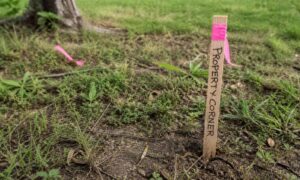
A boundary survey identifies the legal property lines and corners of a piece of land. Homeowners often need one before building fences, garages, pools, or additions to avoid setback violations, permit delays, and neighbor disputes.
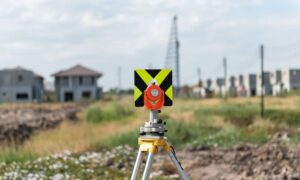
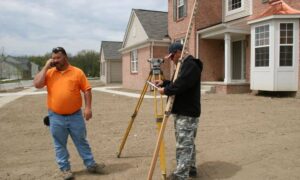
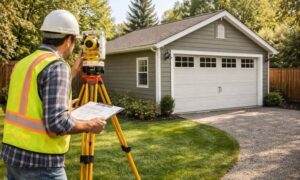
A boundary survey shows the exact legal limits of a property. A licensed land surveyor studies property records, checks existing markers, and measures the land carefully.
The surveyor looks for:
- Property corners
- Old survey pins
- Deeds and plats
- Fence lines
- Easements
- Encroachments
After the work gets completed, the homeowner receives a clear understanding of where the property begins and ends.
This becomes very important before building near the property line.
For example, many homeowners want to:
- Replace old fences
- Add outdoor living areas
- Expand driveways
- Build detached structures
- Install pools or sheds
However, building too close to the boundary can create serious problems later. Some homeowners also discover utility easements or access restrictions only after the survey gets completed.
What Affects Boundary Survey Cost?
Boundary survey cost depends on property size, terrain, missing corner markers, older neighborhood records, vegetation, and how quickly the survey is needed before construction or permitting begins.
Many homeowners ask the same question:
“Why does one boundary survey cost more than another?”
The answer depends on several factors.
Property Size
Larger lots usually take more time to measure. Surveyors may need additional equipment, field work, and research for bigger properties.
Because of that, the boundary survey cost often increases with lot size.
Missing Property Corners
Some older properties no longer have visible corner markers. Over time, landscaping, erosion, or construction may cover them.
When this happens, the surveyor must spend extra time locating or restoring those corners.
Older Neighborhood Records
Some neighborhoods have older plats or outdated legal descriptions. In those situations, surveyors often need deeper research to confirm the correct boundary lines.
That additional work affects pricing.
Trees, Fences, and Obstructions
Heavy vegetation can slow down field work. Thick trees, old fencing, or blocked corners may make measurements harder to complete.
Likewise, crowded lots often require more careful checking.
Rush Scheduling Before Construction
Sometimes homeowners call a surveyor after construction already starts. Unfortunately, rush requests may increase the overall boundary survey cost.
Planning ahead usually saves money and stress.
Why Skipping a Boundary Survey Can Become Expensive
Skipping a boundary survey can lead to fence disputes, permit problems, construction delays, and costly corrections. Many homeowners spend far more fixing property line mistakes than they would have spent on the survey itself.
Some homeowners try to avoid survey costs altogether. Unfortunately, that decision can create much bigger expenses later.
Fence Placement Problems
A homeowner may install a fence based on an old assumption about the property line. Later, a neighbor orders a survey and discovers the fence crosses onto their property.
Now the homeowner may need to:
- Remove the fence
- Pay for repairs
- Rebuild sections
- Handle legal disputes
That situation becomes far more expensive than the original survey.
Permit Delays and Setback Issues
Many residential projects may require setback compliance during permit review, especially for fences, additions, detached garages, and pools.
If property lines remain unclear, permit reviews may slow down. Contractors may also pause work until the lines get verified.
As a result, project costs can rise quickly.
Neighbor Property Line Disputes
Property line disputes often begin after new fences, driveways, or additions get installed without verified boundary information.
Even friendly neighbors may disagree once concrete, fences, or structures enter the picture.
A boundary survey helps reduce confusion before problems grow larger.
What Is Included in a Boundary Survey?
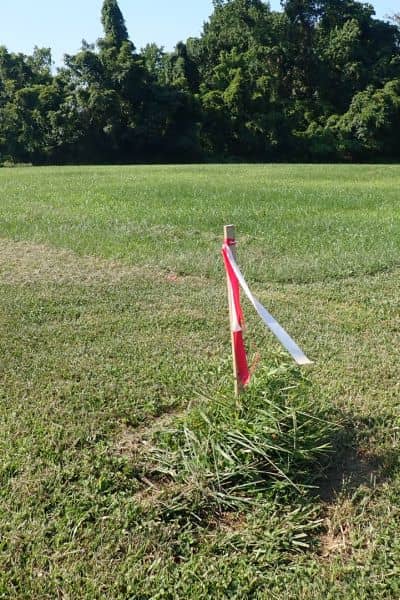
A boundary survey often includes deed research, field measurements, corner location, boundary marking, easement checks, and survey drawings that help homeowners understand where legal property lines exist before building.
Many people think they only pay for a few stakes in the ground. In reality, a boundary survey includes much more work behind the scenes.
A surveyor may provide:
- Property research
- Deed review
- Field measurements
- Corner location
- Boundary marking
- Survey drawings or plats
- Easement information
- Encroachment checks
The final survey gives homeowners valuable information before construction begins.
That peace of mind often matters just as much as the measurements themselves.
How Homeowners Can Prepare Before Ordering a Survey
Homeowners can prepare for a boundary survey by gathering old surveys, explaining future building plans, clearing access to corners, and scheduling early before contractors, permits, and materials become finalized.
Homeowners can help speed up the process by preparing early.
Gather Existing Property Records
Old surveys, closing paperwork, and property records may help the surveyor review the land history faster.
Explain the Planned Project
Tell the surveyor what you plan to build. Fence projects, additions, and pools may require different levels of detail.
Clear Access to Property Corners
If possible, remove large objects blocking suspected corners or fence lines. Clear access helps field crews work more efficiently.
Schedule Early Before Construction Starts
Do not wait until construction crews arrive. Instead, schedule the survey before permits, materials, or contractors get finalized.
Early planning often prevents delays.
Is Boundary Survey Cost Worth It?
Boundary survey cost often saves homeowners money by preventing property disputes, permit delays, fence relocation, and construction mistakes that can become expensive after work begins near the property line.
A boundary survey may feel like another expense during a project. However, it often protects homeowners from much larger financial problems.
Without accurate property lines, homeowners risk:
- Building in the wrong location
- Violating setbacks
- Creating neighbor disputes
- Delaying permits
- Paying for costly corrections
Meanwhile, a survey creates confidence before construction starts.
That matters even more in growing areas like Madison, where property improvements continue to increase every year.