Drone surveying has changed the way many development projects begin. Today, builders, engineers, and property owners use drone surveying to map land faster and collect detailed site data before construction starts. A drone can fly over a property in minutes and capture thousands of measurements. However, one important detail often gets overlooked.
The drone itself does not guarantee reliable survey data.
Ground control points help keep aerial maps aligned with real-world positions. Without them, measurements can shift, elevations may drift, and project layouts can run into expensive problems later. That is why many development teams use proper site control before grading, drainage work, and construction planning begin.
Why Drone Surveying Has Become So Popular
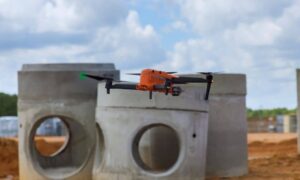
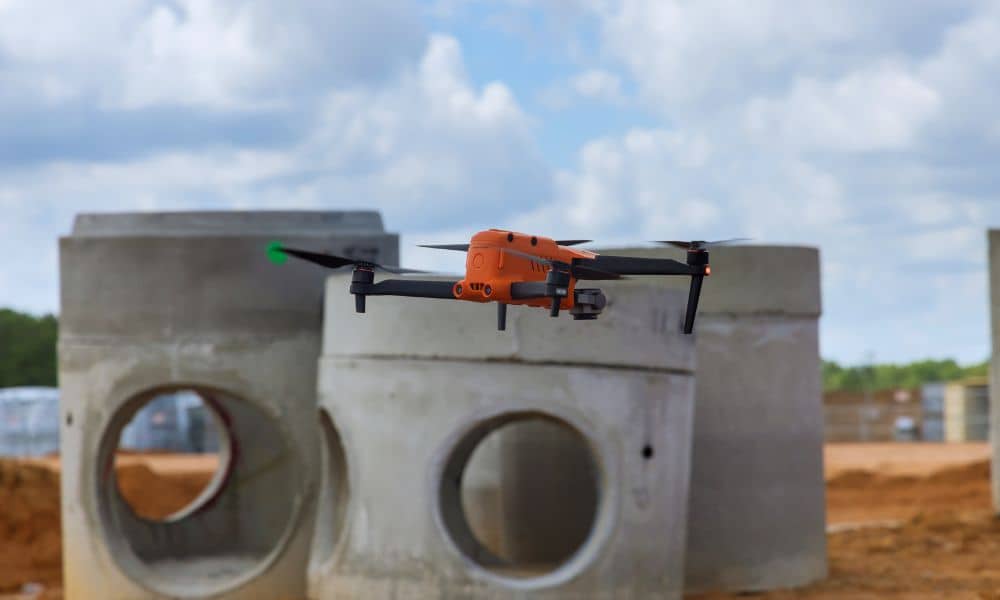
Drone surveying uses unmanned aircraft to capture aerial images and elevation information across a property. Surveyors then process that data into maps, contour models, and 3D site views.
Many developers now prefer drone surveying because it helps crews gather information quickly across large or difficult sites. In wooded areas, uneven terrain, or muddy construction zones, drones can often collect useful data much faster than traditional field methods alone.
Drone surveying commonly helps with:
- Land development planning
- Drainage studies
- Grading design
- Utility layout
- Construction progress tracking
- Earthwork calculations
As development continues around Pell City, faster site planning has become more important for both residential and commercial projects.
What Are Ground Control Points?
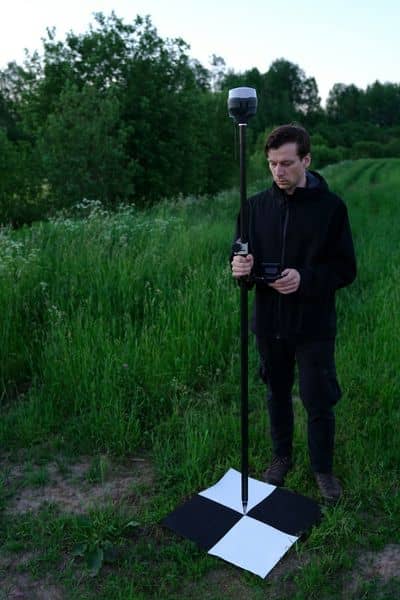
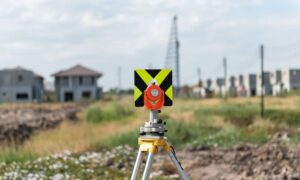
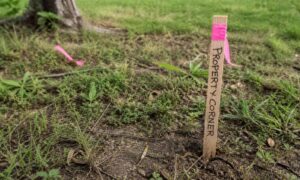
Ground control points, often called GCPs, are marked locations placed throughout a property before the drone flight begins. Each point has known coordinates measured by survey equipment on the ground.
During the flight, the drone captures images of those markers. Survey software then uses the points to properly align the aerial data with the actual site.
You can think of them as reference anchors for the map.
Without those reference points, a drone may still create a detailed image. However, the positioning may not fully match the property on the ground. Even small shifts can create problems once construction crews start working.
Why Proper Site Control Matters on Development Projects
Many people assume modern drones automatically create perfect measurements. That is not always true.
Drone equipment depends heavily on GPS signals during flight. Trees, weather conditions, hills, and nearby obstructions can all affect positioning. Proper site control helps correct those issues and keeps the mapping data stable across the property.
That becomes extremely important once engineers begin designing improvements.
Drainage and Grading Problems
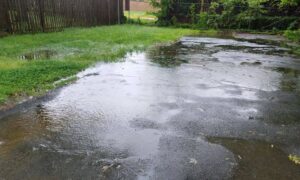
Grading plans rely on dependable elevation information. If aerial measurements shift even slightly, drainage flow across the property can change.
As a result, water may collect near buildings, parking areas, or roadways instead of draining away properly. Over time, that can create erosion, standing water, or flooding concerns.
Many sites around Pell City include wooded terrain and changing elevations. Because of that, reliable elevation data becomes critical before grading work begins.
Layout and Setback Issues
Builders must follow setback rules, easements, and property boundaries carefully during development.
If the aerial map drifts out of alignment, planned structures may end up too close to roads, neighboring properties, or utility easements. That can create redesign costs, permit delays, or construction setbacks later.
Good survey control helps keep the entire layout positioned correctly from the beginning.
Utility and Infrastructure Placement
Roads, storm drains, retaining walls, and utility lines all depend on accurate site measurements.
For example, engineers may use drone maps to design drainage routes or utility corridors. If the map contains positioning errors, crews may install improvements in the wrong location.
Fixing those mistakes later can become very expensive.
What Happens When Drone Data Is Not Properly Controlled?
Poorly aligned aerial mapping can create frustrating problems for both surveyors and developers.
Sometimes the map looks correct at first glance. However, once crews compare the information with field measurements, the numbers no longer match.
This often happens when:
- The site lacks enough control points
- GPS signals become unstable
- Coordinate systems do not match
- Survey checkpoints get skipped
- Data processing moves too quickly
Small positioning issues can grow larger across bigger properties.
For example, one side of the site may appear accurate while another section shifts several feet away from the true position. That creates serious risks during grading, utility work, and construction layout.
Why Development Sites Need Reliable Drone Mapping
Pell City continues to grow as more residential and commercial projects move into the area. Because of that growth, many developers now rely on drone surveying to evaluate sites early in the planning process.
However, local conditions can also make aerial mapping more challenging.
Trees may interfere with satellite signals. Sloped terrain can affect visibility across the property. Larger rural tracts often stretch well beyond a standard residential lot.
That is why surveyors often use carefully placed reference points across the site to maintain dependable positioning from one area to another.
This becomes especially useful for:
- New subdivisions
- Commercial pad developments
- Utility expansion projects
- Road improvements
- Stormwater planning
- Large private properties
Reliable drone data helps developers avoid expensive surprises later during construction.
Drone Surveying Still Needs Licensed Surveyors
Some people believe drones replace traditional land surveying completely. That is not true.
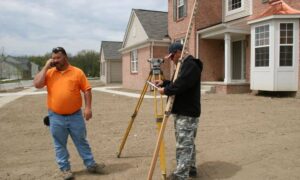
Drones work as powerful tools, but licensed surveyors still review elevations, measurements, boundaries, and legal site information before development decisions move forward.
The drone collects the data. Experienced professionals still verify and interpret the results.
That oversight matters greatly for projects involving:
- Property boundaries
- Construction staking
- Drainage design
- Engineering plans
- Permit approvals
Without proper review, even advanced equipment can produce unreliable results.
Questions to Ask Before Hiring a Drone Surveying Company
Before hiring a drone surveying company, property owners should ask a few important questions:
- Do they use ground control points on development projects?
- Are licensed surveyors involved in the process?
- How do they verify map positioning?
- Can the data support engineering and construction planning?
- Do they understand local site conditions?
Those questions help separate professional drone surveying from basic aerial photography services.