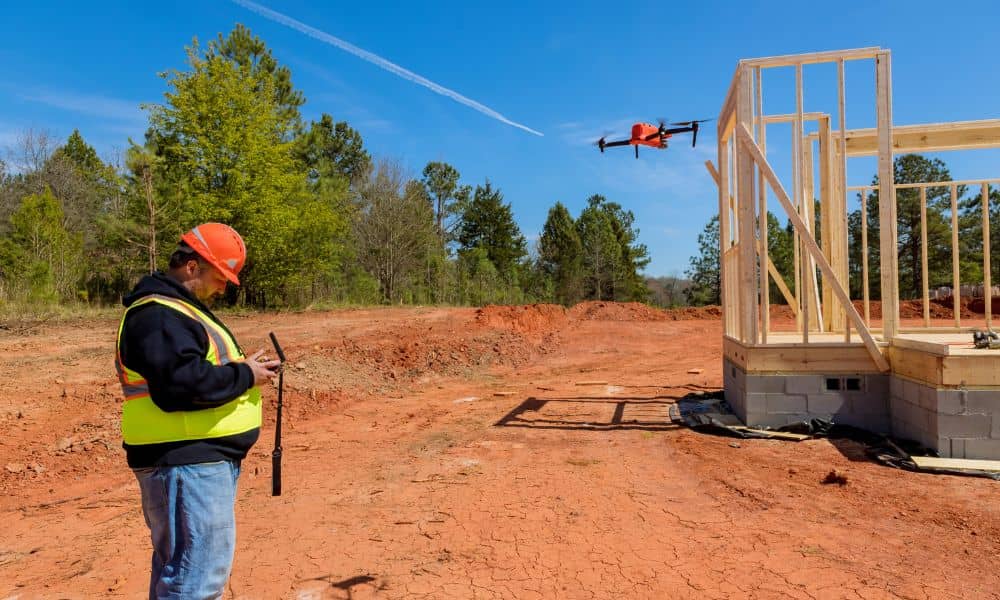
If you ask most builders in Troy what slows down a project, they will not say lumber or concrete. They will wait. Waiting on plans. Waiting on approvals. Waiting on site data. That is exactly why drone surveying is getting so much attention right now.
Across Alabama, developers and property owners want faster answers. They want to move from land purchase to construction without weeks of delay. Because of that, modern survey methods are stepping in to speed things up. And in a growing area like Troy, that speed makes a real difference.
Why Project Timelines Matter More Than Ever
Construction costs continue to rise. Labor schedules stay tight. At the same time, lenders expect progress, not excuses. So even a short delay can ripple through an entire project.
For example, when survey data arrives late, engineers cannot finish grading plans. As a result, permit submissions stall. Then crews sit idle. Meanwhile, equipment rentals still cost money.
In Troy, this issue hits both small builders and larger developers. Many projects sit on rural land or open tracts outside the city center. Traditionally, mapping those areas took time. However, today’s market does not reward slow timelines.
That is where drone surveying changes the game.
The Old Way Took Longer
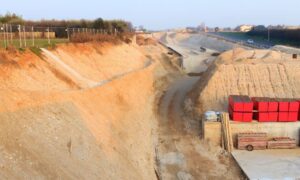
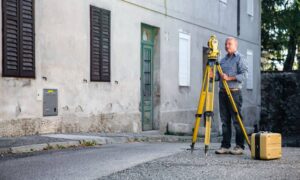
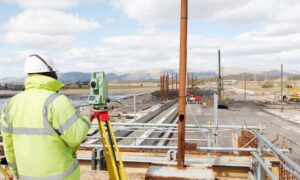
In the past, survey crews walked large sites with ground equipment. They moved point by point across the property. While that method works, it can take several days on larger parcels.
Then comes processing. After fieldwork ends, teams organize and analyze the data. If something looks off, they may need to return to the site. Each return trip adds time.
Now imagine you are a property owner planning to build a custom home outside Troy. You already bought the land. You already hired a builder. Yet you cannot start until the survey finishes. That waiting period feels long.
Because of this, many owners now ask about faster options.
How Drone Surveying Speeds Things Up
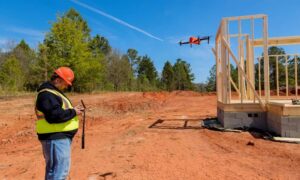
Drone surveying captures large areas from above in a short amount of time. A single flight can collect detailed surface information across open land, rolling terrain, or wooded edges.
Instead of spending days walking the entire site, crews gather much of the needed data in hours. As a result, the field phase moves faster. Then processing begins sooner.
More importantly, engineers receive usable information earlier. That means they can begin layout work, drainage planning, and site design without delay.
In simple terms, drone surveying compresses the early stages of a project. When those early stages move faster, the entire timeline shifts forward.
Why This Matters in Troy, Alabama
Troy has a unique mix of land types. Some properties sit near developed neighborhoods. Others stretch across open fields or wooded areas in Pike County. Because of that variety, survey work often covers larger spaces.
Additionally, Troy continues to grow. New homes rise near Troy University. Small subdivisions expand. Rural land converts into residential property. All of this activity creates demand for quick and reliable site data.
Furthermore, Alabama weather plays a role. Heavy rain can slow grading work. Therefore, builders try to plan around weather windows. If survey data arrives late, they may miss the best time to break ground.
Drone surveying helps avoid that problem. Since crews gather data faster, builders can act sooner. And when they act sooner, they protect their schedule.
Faster Surveys Mean Faster Engineering
Many people think surveys only affect property lines. In reality, surveys support almost every early project decision.
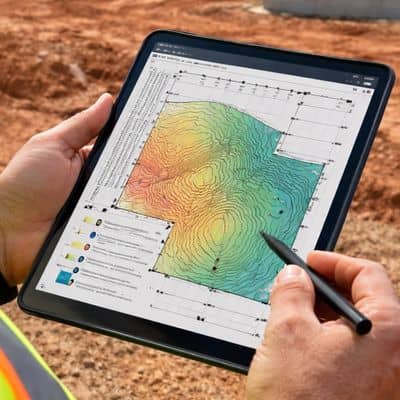
Engineers need topographic details before they design drainage systems. Builders need layout information before they place foundations. Developers need site data before they finalize lot divisions.
So when survey delivery speeds up, engineering work starts earlier. Then permit packages move forward. After that, construction crews mobilize.
Think of it like a chain reaction:
Drone surveying leads to quicker data which leads to faster plans which leads to earlier construction
Even shaving a few days off the beginning can save weeks later.
Saving Time Also Saves Money
Time and money always connect. When projects drag, costs rise.
For example, holding undeveloped land longer increases carrying costs. Equipment rentals continue whether machines move dirt or not. Subcontractors may shift to other jobs if delays stretch too long.
However, when drone surveying shortens the survey phase, it reduces those risks. Owners gain clarity sooner. Builders schedule crews with more confidence. Developers keep their pipeline moving.
In a competitive market, that advantage matters.
When Drone Surveying Makes the Biggest Difference
Drone surveying works especially well on larger parcels. Many properties around Troy fall into that category. Open fields, gently rolling terrain, and multi-acre tracts benefit from aerial data collection.
It also helps during early planning stages. If a developer considers splitting land into multiple lots, faster mapping supports quicker feasibility decisions. Similarly, if a homeowner wants to build on uneven ground, early terrain insight prevents surprises later.
That said, drone surveying does not replace professional oversight. A licensed land surveyor still leads the process. The drone simply acts as a powerful tool that speeds up data collection.
When used correctly, it blends efficiency with reliability.
What Property Owners Should Ask
If you plan a project, start by asking about timeline expectations. Then ask whether the survey team uses drone surveying when appropriate.
You might also ask how soon engineers can receive deliverables. Clear answers show that the team understands modern scheduling pressures.
Remember, the goal is not flashy technology. The goal is forward momentum.
Modern Projects Require Modern Tools
Construction has changed over the past decade. Clients expect digital plans. Builders track progress in real time. Developers monitor costs closely. So it makes sense that surveying evolves too.
Drone surveying does not exist just because drones look impressive. It exists because projects demand speed. In Troy’s growing market, waiting weeks for early data no longer makes sense.
Instead, property owners want action. They want clarity. Most of all, they want to move from idea to construction without unnecessary delay.
Why Property Owners Are Paying Attention
In the end, people notice what affects their bottom line. Faster surveys lead to faster decisions. Faster decisions lead to faster builds.
As Troy continues to grow, efficiency becomes a competitive edge. Builders who move quickly secure better schedules. Developers who act sooner reduce risk. Homeowners who plan ahead avoid frustration.
That is why drone surveying keeps gaining traction here. It shortens timelines. It supports smarter planning. And it helps projects move forward with confidence.
If you are planning a build, a subdivision, or a land development project, start the conversation early. Ask about timing. Ask about workflow. Because when the survey phase moves faster, everything else follows.
And in today’s market, momentum makes all the difference.