Many homeowners believe their property line sits exactly where the fence stands. It feels logical. After all, fences usually mark the edge of a yard. However, the truth can be very different. In Alabama, a fence does not always show the real boundary of your land. In fact, Alabama law includes something many people call the “10-year fence rule.” Because of this rule, a neighbor might gain rights to a piece of land if they use it openly for many years. That idea surprises most homeowners. Yet it happens more often than people think. For this reason, ordering a lot survey can protect your property before problems start, since it allows homeowners to verify their property line with a lot survey before installing fences or making improvements near the edge of the yard.
What Is the 10-Year Fence Rule?
The “10-year fence rule” connects to a legal idea called adverse possession. In simple terms, this means someone may claim land if they use it openly and continuously for a long time. In Alabama, the time period can be 10 years in certain situations.
Here is a simple example.
Imagine a neighbor builds a fence slightly inside your property line. At first, you may not notice the mistake. Meanwhile, the neighbor treats the fenced area as part of their yard. They mow it, plant flowers, or store equipment there.
Years pass.
Eventually, the fence starts to look like the real boundary. If that situation continues long enough, the law may recognize the fence as the accepted property line. As a result, you could lose a small section of land without realizing it.
Situations like this are exactly why many homeowners want to know where the true property line is before putting up a fence or making changes near the edge of their yard. Because of that risk, property experts often recommend getting a lot survey before installing fences or making improvements.
Why Fence Lines Are Often Wrong
Most fences do not come with precise measurements. In many cases, previous owners placed them without checking the exact boundary.
For example, someone might simply guess where the line sits. Sometimes they follow an old fence that already existed. In other cases, they place the fence where the yard looks even.
Unfortunately, those guesses can be wrong.
Property boundaries come from official documents and measurements taken by professionals. Over time, small errors can grow into larger disputes. Meanwhile, new owners may assume the fence is correct because it has been there for years.
Therefore, a fence alone should never confirm your property line.
Instead, homeowners should rely on a lot survey to verify the exact boundaries.
Real Situations Where Property Lines Cause Trouble
Boundary issues often begin during normal home projects. At first, everything seems simple. However, the situation can change quickly once construction begins.
For instance, a homeowner might install a new fence along the yard edge. Later, the neighbor claims the fence sits on their property.
In another case, someone builds a shed near the boundary. Then a disagreement starts because the structure crosses the property line.
Driveways, patios, and gardens can also create problems.
Sometimes buyers discover these issues during a home sale. The title company may ask for proof of property boundaries. Suddenly, the location of a fence or building becomes very important.
These situations can lead to stress, legal costs, and neighbor disputes.
Fortunately, a lot survey can prevent most of these problems before they begin.
How a Lot Survey Protects Your Property
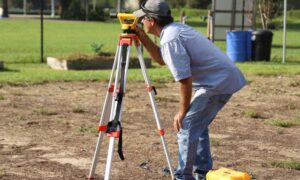
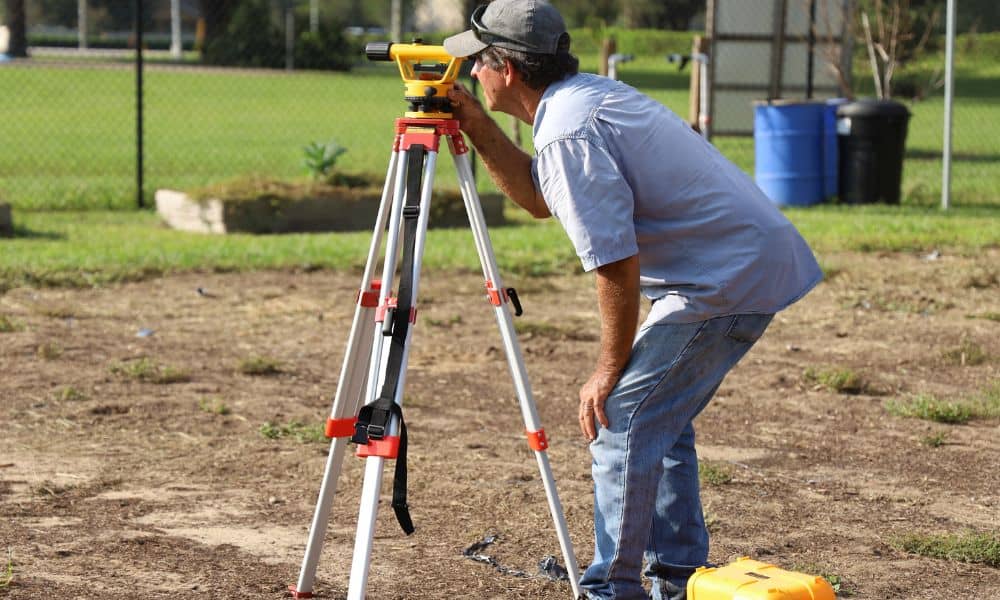
A lot survey shows the exact location of property boundaries. A licensed land surveyor performs the work using precise measurements and legal records.
First, the surveyor studies the property documents. Then they visit the site and locate boundary markers.
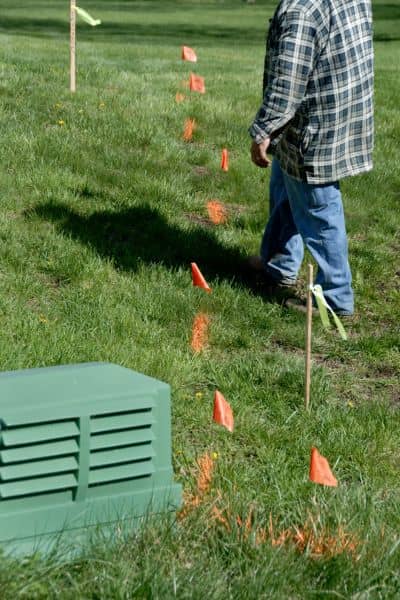
These markers often include iron pins, capped rods, or other survey monuments placed in the ground. Each marker shows the true corner of the property.
Next, the surveyor measures the distances between these points. This process confirms the exact size and shape of the lot.
As a result, the lot survey reveals whether fences, driveways, or buildings cross the boundary.
This information becomes very important when disputes arise. A survey provides clear documentation that shows where the legal property line sits.
Therefore, homeowners gain peace of mind knowing their improvements stay within their own land.
Why This Matters for Homeowners in Daphne, Alabama
Daphne continues to grow quickly. New homes, fences, and backyard projects appear across many neighborhoods.
Because of this growth, boundary questions come up more often.
For example, two neighbors might want to install fences at the same time. Without accurate measurements, the fences may not follow the true property line.
Similarly, homeowners may add sheds, patios, or outdoor kitchens near the edge of the yard. If the boundary sits closer than expected, the structure could cross onto another lot.
Over time, these small mistakes can grow into larger disputes.
However, a lot survey helps prevent these issues. With accurate measurements, homeowners can plan improvements with confidence.
When You Should Order a Lot Survey
Many people think surveys only matter when buying property. Yet surveys can help during several common situations.
For example, homeowners often request a lot survey when they plan to install a fence. This step ensures the fence follows the correct boundary.
Others order a survey before building sheds, garages, or additions.
A survey also helps when preparing to sell a home. Buyers often feel more comfortable when the property lines are clearly documented.
Finally, surveys become very helpful during neighbor disputes. Instead of arguing about where the line sits, both parties can rely on accurate measurements.
Because of this, a survey often saves time, money, and frustration.
Final Thoughts
The “10-year fence rule” shows how property boundaries can change when land use goes unchallenged for years. Although many homeowners assume fences mark the true property line, that assumption can lead to serious problems.
Fortunately, there is a simple solution.
A professional lot survey clearly identifies where your property begins and ends. With this information, you can install fences, build structures, and plan improvements with confidence.
In the end, understanding your boundaries protects both your land and your peace of mind. For homeowners, a lot survey remains one of the smartest steps to take before small mistakes turn into big disputes.