Construction across Alabama keeps moving forward. Huntsville, in particular, continues to grow with new homes, commercial buildings, and public projects. At the same time, stormwater enforcement has become much stricter. This change has pushed one thing into focus: construction survey accuracy.
State and local agencies are no longer flexible when it comes to stormwater rules. What once led to simple corrections can now cause work stoppages, fines, and project delays. Because of this, survey data now plays a bigger role than many people expect. When site conditions do not match approved plans, inspectors look closely at survey records.
In Huntsville’s fast-growing market, those differences show up quickly.
Stormwater Rules Are Being Enforced More Strictly
Stormwater rules have always existed. Builders still need permits, erosion controls, and approved grading plans. However, enforcement has changed.
Inspectors now expect construction sites to match approved plans closely. They compare permits, drawings, and field conditions in detail. When something looks wrong, they investigate further. At that point, construction survey data often becomes part of the review.
Because of this shift, surveys are no longer just paperwork. They help prove whether a site followed approved limits and elevations.
How Construction Surveys Support Stormwater Compliance
Stormwater permits depend on accurate site data. That data comes from surveys.
A construction survey helps support compliance by showing:
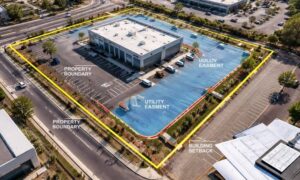
- Where land disturbance is allowed
- How slopes and elevations should look
- Where water should flow
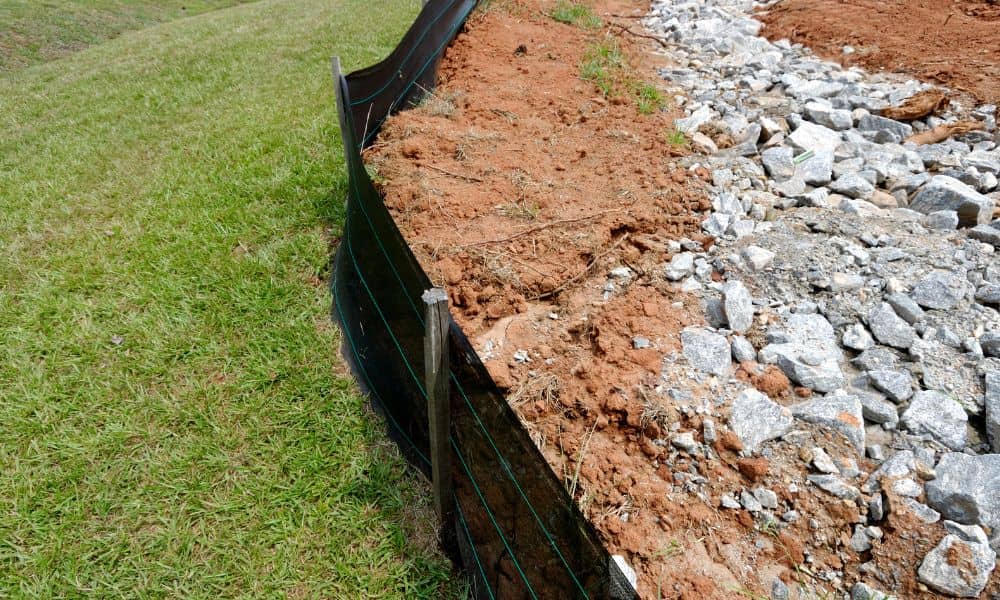
- Where erosion controls should sit
When inspectors visit a site, they compare what they see to what was approved. If grading goes too far or slopes do not match plans, questions follow. At that point, survey records matter.
If the construction survey is outdated or unclear, the project becomes exposed.
Where Projects Often Run Into Trouble
Many stormwater issues start with small site changes. These changes often seem harmless at first.
For example, a crew may adjust grading to improve drainage. A pad might shift slightly to fit equipment. While these changes may help construction, they still affect stormwater flow.
If the construction survey does not reflect those changes, problems appear later. During inspections, regulators compare approved plans, survey records, and field conditions. When those do not match, enforcement can follow.
This is why keeping survey data current matters throughout the project.
Why Huntsville Projects Feel the Pressure
Huntsville’s growth brings more inspections. More inspections mean more chances for issues to surface. Many projects also sit close to property lines, roads, or drainage systems. This leaves little room for error.
Because of this, even small survey mistakes stand out. When limits of disturbance or elevations sit close to permit requirements, accuracy becomes critical.
In addition, many projects involve more than one reviewing agency. City, county, and state offices may all review stormwater compliance. Each review increases the chance that survey gaps appear.
Construction Surveys Now Support Compliance, Not Just Layout

In the past, many people saw a construction survey as a layout tool. It showed where to build and where to stake. Today, its role has expanded.
Now, a construction survey also acts as proof. It helps show:
- What was approved
- What was set in the field
- How the site follows permits
When inspectors raise concerns, survey records help explain decisions. Without clear survey documentation, teams lose that support.
Because enforcement reviews often look back at earlier stages, having accurate survey records helps protect everyone involved.
The Real Cost of Survey-Related Violations
Stormwater violations cost more than fines. They can disrupt an entire project.
Common impacts include:
- Stop-work orders
- Project delays
- Re-survey costs
- Plan revisions
- Extra inspections
These costs often exceed the cost of keeping survey data accurate from the start. That is why many developers now see a construction survey as a form of protection, not just a task.
What Owners and Developers Should Pay Attention To
While surveyors handle technical work, owners and developers still have a role. Asking the right questions early helps avoid problems.
It helps to confirm that:
- The construction survey matches stormwater permits
- Disturbance limits are clear
- Survey updates happen after grading changes
- Survey records are easy to review during inspections
These steps help projects move forward with fewer surprises.
A Clear Shift in Expectations Across Alabama
Recent enforcement actions show a clear shift. Regulators now expect closer alignment between plans, surveys, and field conditions.
In Huntsville, this matters even more because development continues at a fast pace. Projects that treat the construction survey as part of ongoing compliance adjust more easily. Projects that treat it as a one-time step face more risk.
Survey accuracy now supports compliance from start to finish.
Final Thoughts
Stormwater enforcement across Alabama is becoming stricter. As a result, construction survey accuracy now carries more weight. In Huntsville, where projects move quickly and oversight is strong, this shift is clear.
A construction survey is no longer just a starting document. It supports permits, inspections, and compliance throughout a project. When survey data stays accurate and current, projects face fewer delays and fewer enforcement issues.
In today’s regulatory climate, preparation matters. Accurate survey data helps protect timelines, budgets, and peace of mind.