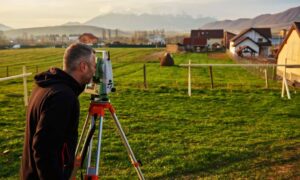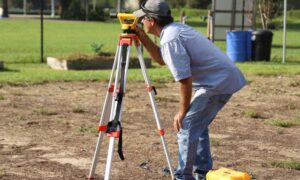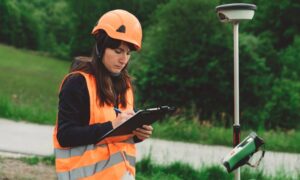
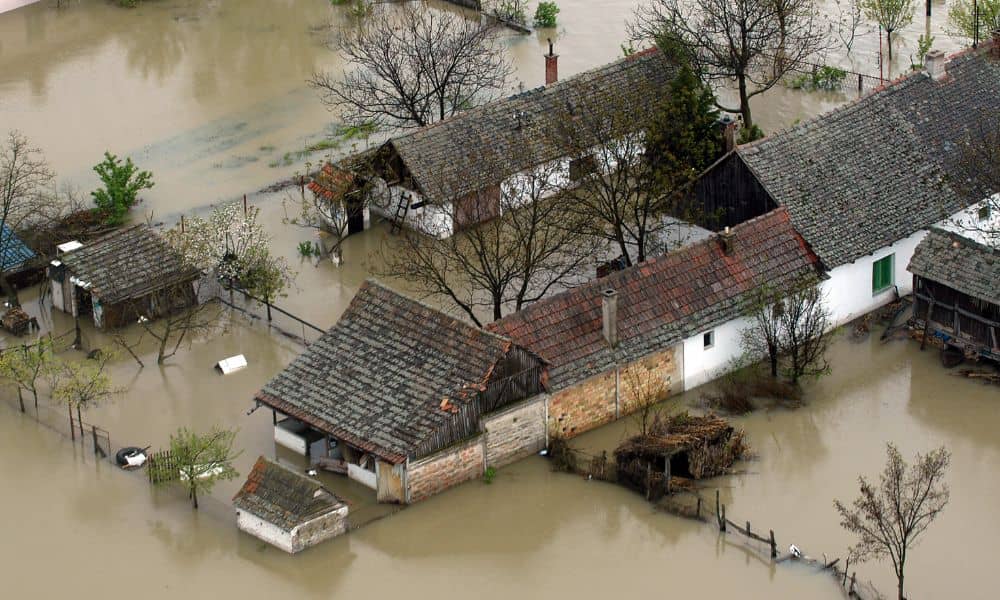
Flooding used to feel like a rare event. Now, for many property owners, it feels like a recurring problem. After recent flooding and drainage failures, more people are asking the same question: Why is this happening to my property? That question explains why demand for a topo survey is rising fast. Property owners are no longer looking at land data as a “nice-to-have.” Instead, they see it as the only way to understand what went wrong—and how to stop it from happening again.
Flooding Changed How People Think About Their Land
For years, many property owners assumed drainage problems came from heavy rain alone. However, recent flooding events showed something different. Water does not flood randomly. It follows the land.
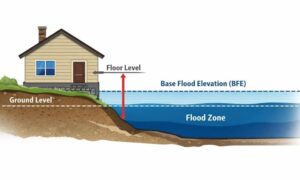
When yards, driveways, and foundations flood, the cause usually sits below the surface. Elevation changes, low points, and altered slopes all guide where water goes. Without clear elevation data, those details stay hidden.
Because of that, property owners now realize something important. If you don’t understand how your land slopes, you can’t predict how water will move. That realization drives people to request a topo survey after damage happens—not before.
Drainage Failures Expose Old Assumptions
Many drainage systems fail because they were built on assumptions. Builders assumed water would flow away from structures. Property owners assumed the land stayed the same over time. Unfortunately, land rarely behaves that way.
Over the years, small changes add up. Fill gets added. Soil settles. Nearby properties get developed. Each change alters how water moves across the site. Eventually, the original drainage plan no longer works.
When flooding happens, those assumptions collapse. At that point, a topo survey becomes necessary because it shows what the land is doing now, not what it did years ago.
Why Flooding Often Starts Years After Construction
One of the most frustrating things property owners face is delayed flooding. A home or building may sit dry for years. Then suddenly, water problems appear.
This delay happens for several reasons. First, surrounding development can redirect runoff toward your property. Second, erosion slowly changes slopes. Third, storm systems grow stronger, pushing drainage systems past their limits.
Because of this, older properties now need updated land data. A topo survey helps explain why a site that worked fine before now struggles during heavy rain.
Flooding Forces Property Owners to Prove the Problem
After flooding, conversations change quickly. Insurance companies ask questions. Engineers want data. Cities may request documentation before approving repairs.
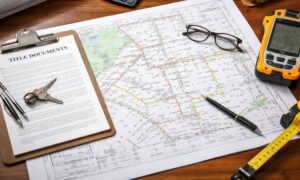
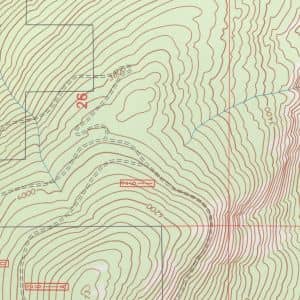
At that point, guesses no longer work. Property owners need proof of how water flows across their land. A topo survey provides that proof by showing elevations, slopes, and drainage paths clearly.
Instead of arguing opinions, everyone looks at the same data. That clarity explains why topo surveys often come into play after disputes, claims, or repeated damage.
Why Quick Drainage Fixes Keep Failing
After flooding, many property owners try fast solutions. They add drains. They move soil. They install pipes or swales. Sometimes these fixes help, but often they don’t.
The problem is simple. Without accurate elevation data, fixes rely on trial and error. Water may get redirected to a worse location. In some cases, the fix creates new flooding elsewhere on the property.
Because of that, many owners order a topo survey only after several failed attempts. Once they see the land’s true shape, the reason those fixes failed becomes obvious.
Flooding Raised the Bar for Site Reviews
Flooding also changed how professionals review properties. Engineers, lenders, and local reviewers now look closer at drainage risk. Older surveys often no longer meet current expectations.
After flood events, reviewers may request updated topo data before approving plans or repairs. This step protects everyone involved, but it also increases demand for new surveys.
As a result, topo surveys are no longer tied only to new construction. They now play a role in problem resolution, risk review, and long-term planning.
Who Is Driving the Surge in Topo Survey Requests
The rise in topo survey demand does not come from one group alone. Instead, it comes from several directions.
Homeowners order surveys after repeated yard or foundation flooding. Property owners request them during runoff disputes with neighbors. Developers use them to reassess drainage compliance. Buyers request updated data after seeing flood damage in an area.
Each group shares the same goal. They want answers based on facts, not assumptions.
Topo Surveys Are Now Diagnostic Tools
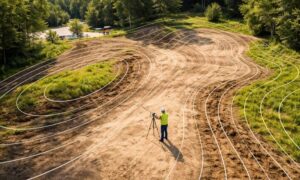
In the past, many people viewed topo surveys as planning tools only. Today, that view has changed. After flooding and drainage failures, topo surveys act as diagnostic tools.
They help explain why damage occurred. They support better engineering decisions. They reduce the risk of repeating the same mistakes.
Most importantly, they restore confidence. Property owners feel more in control once they understand how their land behaves during heavy rain.
Final Takeaway: Flooding Exposed the Problem—Topo Surveys Provide the Answers
Flooding changed the conversation about land. It shifted focus from weather alone to elevation, slope, and drainage behavior. That shift explains why topo survey demand continues to rise.
Water follows the land every time. When flooding happens, the land holds the explanation. A topo survey brings that explanation into clear view.
For property owners dealing with drainage failures, clarity matters more than ever. And today, clarity starts with understanding the ground beneath your feet—before the next storm arrives.