Flood risk is one of the most expensive surprises a property developer can face. Too often, problems show up after land is purchased, designs are finished, or permits are already in motion. At that point, fixing the issue costs time, money, and momentum. This is where lidar mapping plays a critical role. When used early, it helps developers understand how water actually behaves on a site—before any major decisions are locked in.
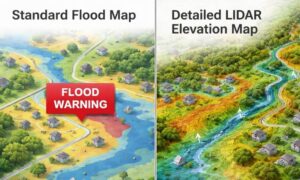
Instead of guessing or relying only on broad flood maps, lidar mapping gives a clear, detailed view of the land. As a result, developers can spot risks early and plan smarter from the start.
Why Flood Risk Is Often Missed Early
Many people assume flood risk is simple. If a property is not marked as a flood zone, it must be safe. However, real-world flooding does not work that way. Water follows the land, not just the lines on a map.
In many cases, flood problems come from small elevation changes, blocked drainage paths, or low areas that collect water during heavy rain. These details often do not appear on basic maps or older survey data. Because of this, developers may move forward without realizing the risk.
Later, during permitting or construction, issues surface. Plans need revisions. Drainage systems must change. Costs rise fast. Early flood analysis helps avoid these setbacks altogether.
Flood Risk Is More Than Standing Water
Flood risk does not always mean deep water covering a site. Sometimes, the bigger problem is how water moves across the land.
For example, sheet flow occurs when water spreads across the surface instead of staying in a channel. Ponding happens when water collects in shallow areas with nowhere to drain. Even redirected runoff from nearby development can cause trouble.
These issues matter because they affect foundations, roads, parking areas, and utilities. Over time, even minor water problems can lead to erosion, structural damage, or ongoing maintenance costs.
That is why understanding water behavior matters just as much as knowing flood zones.
How LiDAR Mapping Reveals Hidden Flood Risks
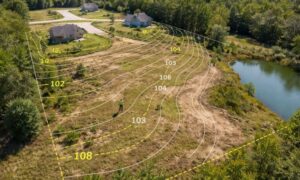
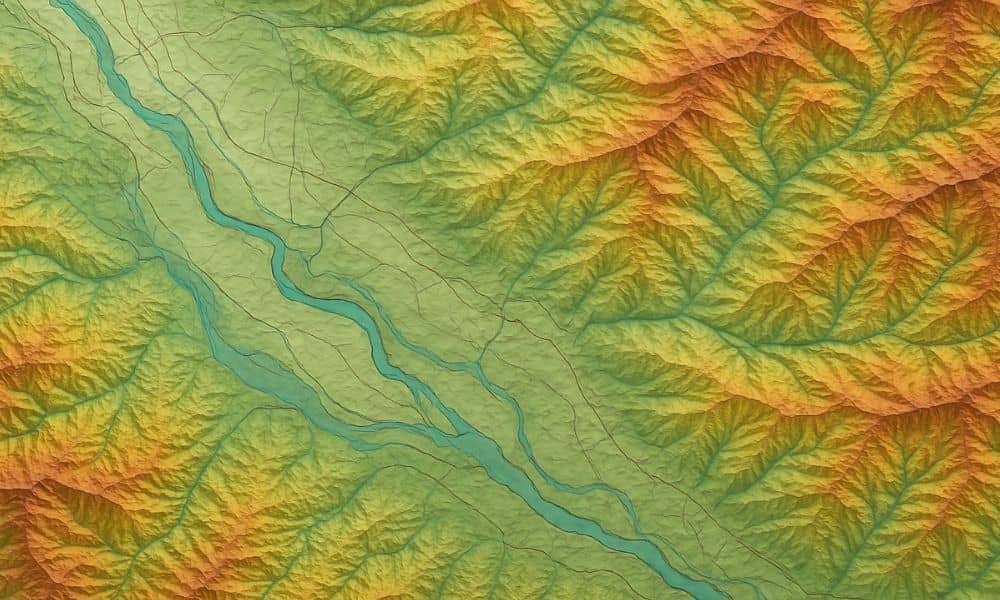
Lidar mapping creates a highly detailed surface model of the land. Unlike older methods, it captures subtle elevation changes across the entire site. Because of this precision, it reveals features that often go unnoticed.
For instance, lidar data can show shallow dips where water may collect during storms. It can also highlight natural drainage paths that move water across a property. These paths may not look obvious when standing on the ground, especially in grassy or wooded areas.
In addition, lidar mapping helps identify how water enters and exits a site. This matters because flooding often comes from outside sources, not just rainfall within the property boundary.
By seeing these details early, developers gain a realistic picture of flood risk before design begins.
Using Terrain Data to Test Flood Scenarios

Beyond showing the land as it exists, lidar data supports flood scenario analysis. Engineers and planners can study how water may behave during heavy rain events.
For example, they can evaluate what happens when the site is graded or when buildings and pavement are added. Even small changes in elevation can redirect water in unexpected ways. Because lidar models are detailed, they allow teams to test different layout options. As a result, developers can choose building locations that reduce flood exposure instead of reacting la
Better Decisions Before Money Is Committed
One of the biggest advantages of early flood analysis is flexibility. At the beginning of a project, changes are easier and cheaper.
With lidar mapping, developers can decide whether a parcel makes sense before purchase. If the risk is too high, they can walk away. If the risk is manageable, they can plan around it.
In some cases, simple layout changes reduce flood concerns without expensive mitigation. In other cases, early awareness allows teams to budget properly for drainage improvements.
Either way, decisions are informed instead of reactive.
Permits Move Faster When Flood Risks Are Clear
Flood-related issues often slow down permit approvals. Review agencies want proof that drainage and elevation concerns are addressed.
When flood risk appears late, plans go back for revisions. This adds weeks or months to timelines. However, when lidar-based analysis happens early, designs already reflect site conditions.
As a result, permit reviews move more smoothly. Questions get answered faster. Fewer revisions are required.
Clear site data builds confidence with reviewers, which helps keep projects on schedule.
Insurance and Financing Depend on Flood Insight
Flood risk also affects insurance and lending. Insurers look closely at elevation and drainage when setting premiums. Lenders want assurance that a property does not carry hidden risk.
If flood concerns surface late, financing terms may change. Insurance costs may rise. In some cases, deals fall apart.
Early flood analysis protects against these surprises. With solid terrain data, developers can plan for insurance needs and meet lender expectations upfront.
This clarity supports stronger, more predictable financial planning.
When Flood Risk Analysis Should Happen
Timing matters. Flood risk analysis delivers the most value when it happens early.
The best time is before land acquisition or during early feasibility studies. At this stage, decisions are flexible and costs are low.
It also helps before site layout and grading plans are finalized. This ensures designs work with the land instead of against it.
Finally, flood analysis should come before insurance quotes and financing commitments. That way, there are no last-minute shocks.
Flood Risk Is a Planning Decision
Flood risk should not be treated as a construction problem. By the time construction begins, options are limited.
Instead, flood risk belongs in the planning phase. With the right data, developers can avoid trouble rather than fix it later.
Lidar mapping supports this shift. It gives a clear, accurate view of the land and how water interacts with it. As development standards rise, early flood insight becomes less of an extra step and more of an expectation.
In the end, smart development starts with understanding the land. When flood risk is identified early, projects move forward with confidence, clarity, and fewer surprises.