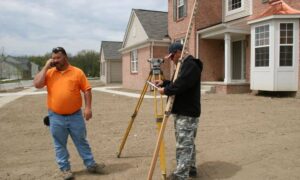
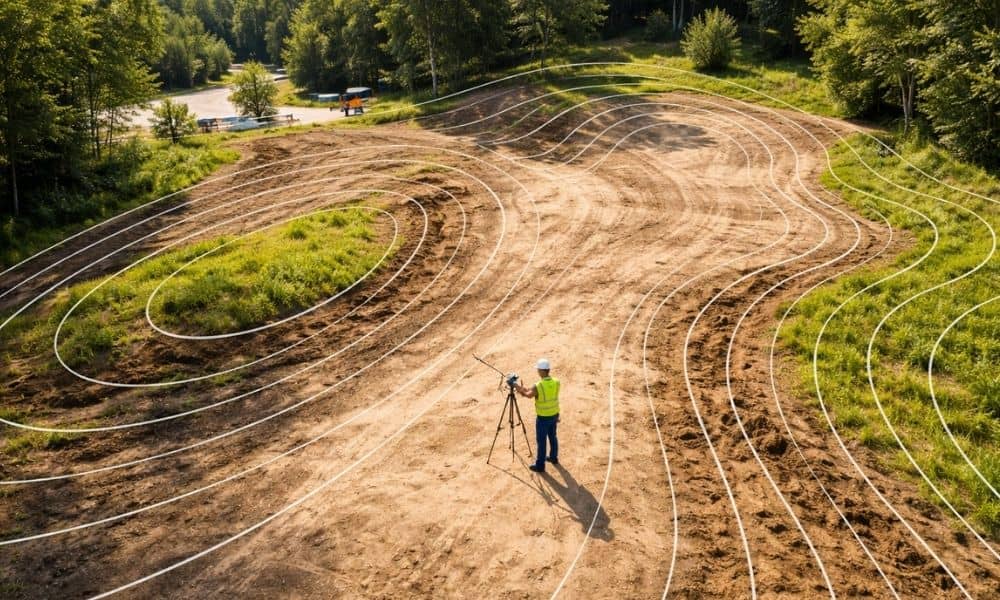
Construction projects often start with excitement. A homeowner plans a new house. A developer prepares a new building site. However, the land itself can hold surprises. Sometimes the ground hides problems that only appear once construction begins. Recently, news stories about sudden ground collapses and sinkholes have spread across social media. Roads and parking lots have opened up without warning. Cars have even fallen into deep holes. These events may look rare, yet they remind us of something important: land conditions matter more than most people think. Before builders start excavation or pour a foundation, they need a clear picture of how the land rises and falls. That is exactly why many projects begin with a topographic survey before construction, helping engineers understand the terrain and spot potential risks early. This type of survey reveals terrain patterns that may signal hidden problems long before building begins.
When the Ground Looks Stable but Isn’t
At first glance, many properties appear flat and safe for building. Grass grows evenly. The soil feels solid. The land may even sit untouched for years.
However, appearances can fool people.
The surface of the land rarely tells the full story. Small changes in elevation can guide water, shift soil, and weaken certain areas. Over time, these hidden patterns may lead to serious construction problems.
For example, a slight slope might direct water toward a building site. A shallow depression might collect water after storms. A gentle ridge might hide unstable soil beneath it.
Without careful measurement, these details remain invisible. Yet once construction begins, they can create costly problems.
The Terrain Clues Most Property Owners Miss
Most property owners focus on obvious features like trees, fences, or buildings. Meanwhile, the land itself holds many quiet clues.
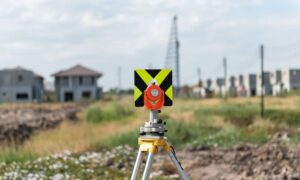
A topographic survey helps uncover these clues by measuring elevation across the property. Instead of looking only at the surface, surveyors map how the land rises and falls. This helps builders and engineers start understanding the land’s elevation, which often explains why water collects in certain spots or why some areas of soil behave differently during construction.
As a result, the survey can reveal patterns that most people never notice.
For example, the survey may show:
- Small dips in the ground where water tends to gather
- Long slopes that slowly guide runoff across the site
- Low areas that may collect soil or debris over time
- Uneven terrain caused by past grading work
Although these features seem minor, they often shape how the land behaves during storms or heavy construction activity.
Because of this, understanding terrain patterns early can prevent serious surprises later.
How Hidden Land Conditions Affect Construction
Construction puts pressure on the land. Excavation removes soil. Heavy equipment moves across the site. Foundations concentrate weight in specific areas.
If the terrain contains hidden weaknesses, problems can appear quickly.
For instance, excavation may reveal soft soil that cannot support a structure. In other cases, grading may expose unstable slopes. Sometimes water begins to collect in newly cleared areas because the natural flow of the land was misunderstood.
These issues often lead to delays. Engineers must adjust designs. Contractors may need to reshape the land or add extra support.
All of this costs time and money.
However, many of these problems could be predicted earlier with accurate land data.
What a Topographic Survey Reveals Before Construction Begins
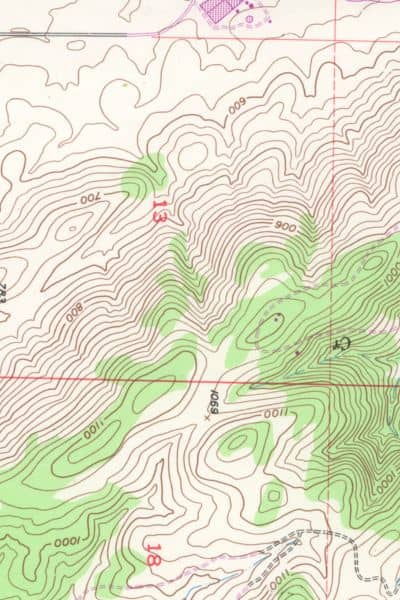
A topographic survey measures elevation at many points across the site. Surveyors then create a detailed map that shows the shape of the terrain.
This map helps engineers and builders understand how the land behaves.
For example, the survey may reveal:
Areas where slopes change suddenly Terrain that channels water toward the building site Uneven ground that could affect grading plans Natural ridges or depressions that influence soil movement
Because the survey shows elevation differences clearly, professionals can see risks long before excavation starts.
As a result, they can adjust construction plans early instead of reacting to problems later.
Why Developers Study Terrain Before Designing a Project
Successful construction projects follow a clear order. First, surveyors study the land. Next, engineers analyze the terrain data. Then designers place buildings and infrastructure where the land can support them safely.
When this process works correctly, the design fits the natural shape of the site.
However, when terrain data comes too late, designers may place structures in risky locations. Construction teams then discover problems only after digging begins.
This situation often leads to expensive redesigns.
Because of this risk, many developers request a topographic survey before they begin planning buildings, roads, or drainage systems.
Early land data gives the entire project a stronger foundation.
The Cost of Skipping Terrain Analysis
Some property owners try to save money by skipping early surveys. Unfortunately, this decision often creates larger expenses later.
Imagine a builder who clears land and begins excavation. Soon afterward, the crew discovers a slope that directs stormwater toward the foundation area. The design must change. Engineers may add drainage systems or reshape the terrain.
In another case, excavation might reveal unstable soil that cannot support the planned structure. Contractors must bring in additional fill or reinforce the foundation.
These surprises can delay projects for weeks. They can also increase construction costs significantly.
Yet in many cases, a simple topographic survey would have revealed the problem at the start.
Understanding the Land Before You Build
Land development always begins with the ground itself. Every slope, ridge, and depression affects how construction will unfold.
News stories about sinkholes and sudden ground failures show what can happen when land conditions go unnoticed. Although those events seem dramatic, smaller versions of the same problem appear on construction sites every year.
A topographic survey helps prevent those surprises. By mapping the terrain in detail, the survey reveals patterns that guide water flow, soil movement, and structural support.
When builders understand the land early, they can design projects that work with the terrain instead of against it.
In the end, successful construction does not start with concrete or steel. It starts with a clear understanding of the ground beneath your feet.