A sloped lot in Daphne can look perfect at first glance. The ground feels firm. The angle seems manageable. It looks like a great place to build.
Then a heavy rain comes through.
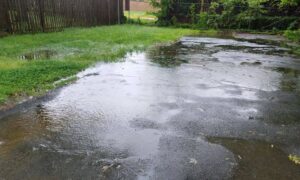
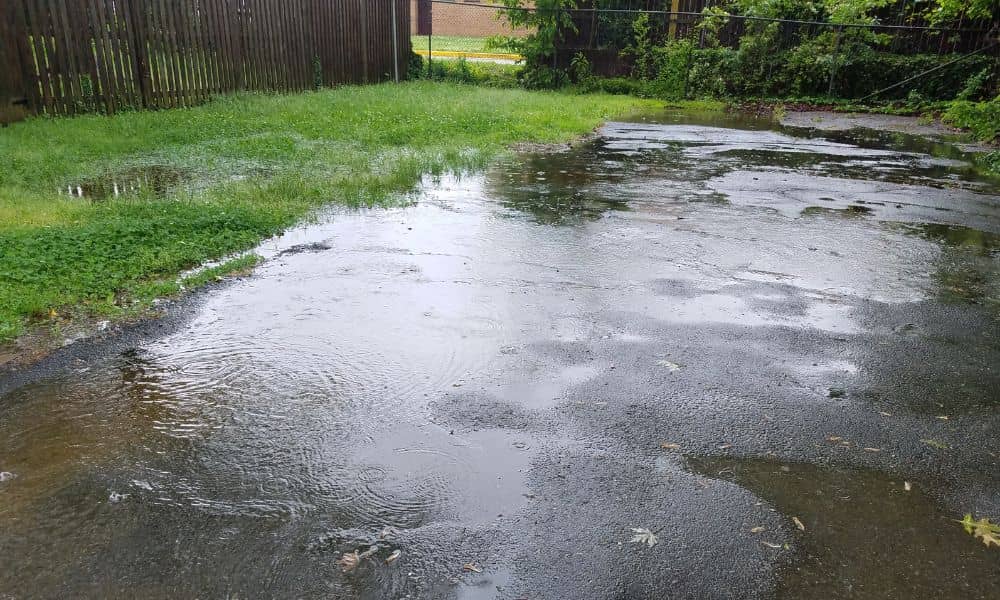
Water starts moving across the land, and suddenly the “perfect” lot shows a different side. Low spots fill up. Runoff moves faster than expected. In some cases, water heads straight toward where the house is planned.
This is where many property owners realize they made a guess instead of a plan.
Topographic mapping helps avoid that situation. It shows how water will behave before anything is built.
Why Sloped Lots in Daphne Create Drainage Problems
Rain in Daphne tends to come down fast. When it does, water doesn’t sit still. On flat ground, it spreads out. On a slope, it picks up speed and follows the shape of the land.
Even small changes in elevation can shift that path. A lot that looks slightly angled may have shallow dips or uneven grading you can’t see right away. Those small details can send water toward a future foundation or trap it in places that should stay dry.
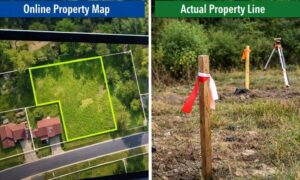
That’s why relying on what you see can lead to problems. The eye can’t measure elevation well enough to plan drainage, especially on sites where topographic mapping on sloped lots is part of the early planning process.
What Topographic Mapping Really Shows
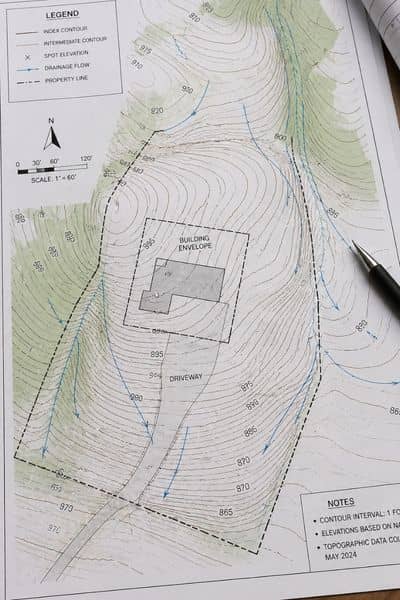
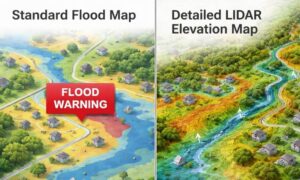
Topographic mapping turns the surface of the land into clear, usable data. Instead of guessing where water might go, you can see exactly how the ground is shaped.
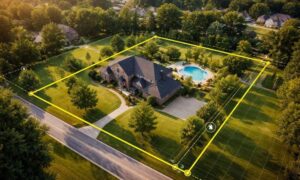
The map shows how the land rises and falls across the property. It highlights low areas where water can collect and high points that can help direct flow.
It also reveals the natural path water will take during rainfall.
Sometimes the direction surprises people. Water does not always follow the slope you notice right away. It follows the actual elevation changes, even if they are small.
This kind of detail is what makes planning accurate.
How Drainage Planning Changes With Accurate Data
Once you understand how water moves, you can adjust the plan before building begins.
That might mean shifting the home slightly uphill. It might mean adjusting the grading so water moves away from the structure. In some cases, it changes how the driveway is designed so it does not carry water toward the house.
Drainage features also depend on this information. The layout of the land tells you where water needs to go and how to guide it there.
Without this data, decisions rely on assumptions. With it, decisions are based on how the land actually behaves.
What Happens When Drainage Is Not Planned Early
Problems tend to show up after construction when drainage is ignored at the start.
A home may sit just low enough for water to collect around it. A yard may stay wet long after a storm passes. A driveway might push water directly toward a garage or entry point.
These issues are frustrating because they are preventable.
Fixing them often means regrading the land, adding drainage systems, or correcting work that has already been completed. That takes time and money, and it can delay the entire project.
Planning ahead avoids that cycle.
When Topographic Mapping Should Be Done
Timing makes a big difference.
Topographic mapping works best before any major decisions are locked in. It gives you the information needed to choose the right building location and plan the site correctly.
Waiting until construction begins limits your options. By then, changes become harder and more expensive.
Early mapping gives you control. Late mapping forces adjustments.
What Property Owners Can Expect During the Process
The process itself is straightforward.
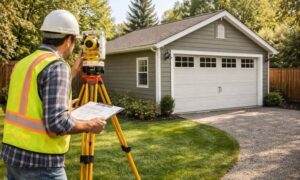
A survey team visits the property and measures the elevation across the site. They collect detailed data that reflects the actual shape of the land.
That information is then used to create a map that shows how the ground rises, falls, and directs water.
From there, builders and designers use the map to plan the layout, grading, and drainage.
You do not need to interpret every detail. What matters is having accurate information guiding the decisions.
Why This Step Saves Money in the Long Run
Skipping topographic mapping might seem like a way to cut costs early. In reality, it often leads to higher costs later.
When drainage problems appear after construction, fixing them is not simple. It can involve excavation, new grading, or added drainage systems.
Each correction adds expense and delays progress.
Planning drainage from the start avoids those issues. It keeps the project moving and reduces the chance of unexpected work.
Building with Confidence on Sloped Land in Daphne
Sloped lots can be great building sites when they are understood properly.
The key is knowing how the land handles water before anything is built.
Topographic mapping provides that clarity.
It shows the true shape of the property and how water will move across it. With that knowledge, you can plan the site with confidence and avoid problems that often appear too late.
In a place like Daphne, where heavy rain is part of the climate, that kind of planning is not optional. It is what keeps a project on track from the start.