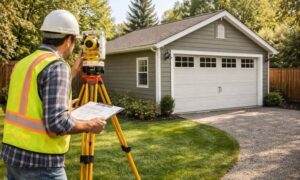
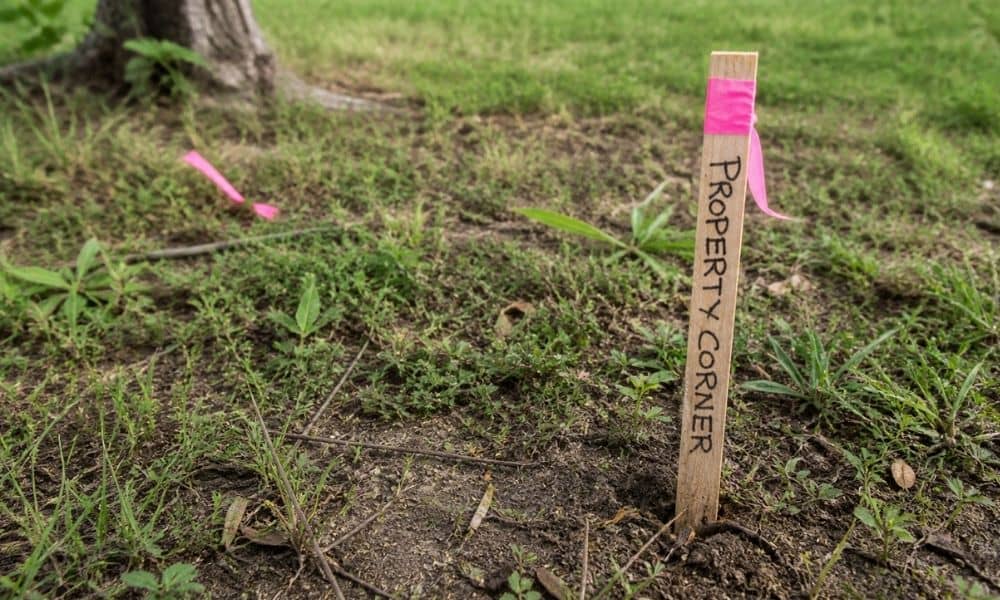
If your survey markers are gone, you need a land surveyor to re-establish your property lines before building or making changes. Missing stakes mean your boundary is no longer clear on the ground. In many cases, guessing leads to fence mistakes, permit delays, or disputes with neighbors. A new land survey restores accurate boundaries using recorded data and field measurements.
What Are Survey Markers?
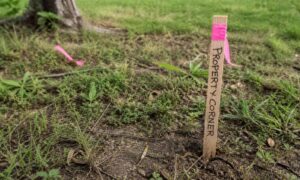
Survey markers are physical points placed on your property to show exact boundary lines. These may be wooden stakes, iron rods, or metal pins set by a licensed surveyor.
They are not just visual guides. They represent legally defined property limits based on recorded land data. Once they disappear, the boundary is no longer clear on the ground.
What Causes Survey Markers to Disappear?
Survey markers do not stay forever. In Mobile, this happens more often than people expect.
Common causes include:
- Construction work that removes or buries stakes
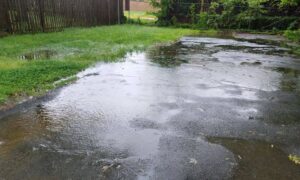
- Heavy rain that shifts soil or washes markers away
- Yard work like mowing or digging
- Natural wear over time
- Accidental or intentional movement by others
In areas with frequent storms and active development, markers can vanish fast. You may not notice until you are ready to build or install something.
What Happens If You Guess Your Property Line?
Guessing feels easy. It also leads to expensive mistakes.
Even a small error can create problems. A fence built a few feet off can cross into a neighbor’s property. A shed or driveway can end up in the wrong place. Once that happens, fixing it often means removal and rebuilding.
Permit approvals can also get delayed. Many projects require clear property lines before work begins. If your boundary is unclear, your plans can stop right there.
Boundary disputes often start this way. What looks like a simple guess can turn into a legal issue.
Can You Use Old Surveys or Property Maps Instead?
Old surveys help, but they do not solve the problem on their own.
A paper survey shows measurements and layout. It does not reflect current site conditions. Land changes over time. Soil shifts. New structures get added.
Online maps are even less reliable. Many apps show property lines, but they are only estimates. They are not exact and not legally valid.
Once markers disappear, the only way to confirm your boundary is to place it back on the ground.
How Land Surveying Re-Establishes Missing Markers
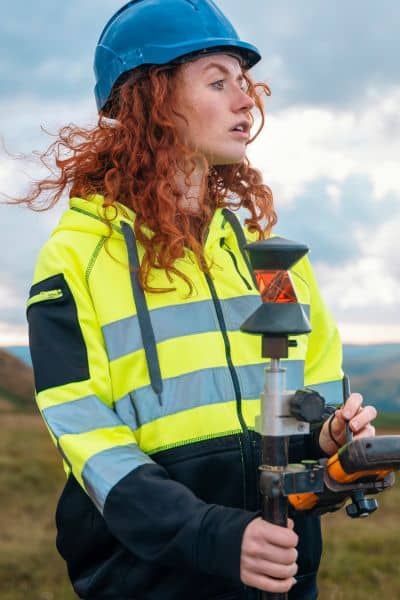
A surveyor does not rely on guesswork. They follow a clear method to find your true boundary.
First, they review recorded documents such as plats and legal descriptions. Then, they locate existing control points like iron pins or older monuments.
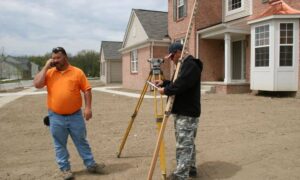
Next, they take precise measurements using professional equipment. This allows them to match your property to official records with accuracy.
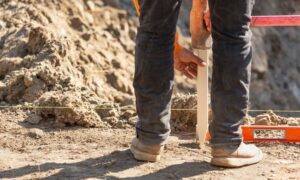
Finally, they place new markers on the ground. These markers show your boundary clearly again.
In many cases, surveyors find differences of several feet when rechecking older properties. That alone shows why guessing creates risk.
When Should You Call a Land Surveyor?
Timing matters. Call a surveyor as soon as markers go missing, especially if you plan to:
- Build a fence
- Start construction
- Clear or grade land
- Install a driveway or structure
- Buy or sell property
- Address a boundary concern
Waiting increases the chance of mistakes. Acting early keeps your project on track and avoids rework.
Why This Happens More Often in Mobile
Mobile has conditions that make marker loss more common.
Heavy rainfall can shift soil and wash away stakes. Over time, erosion changes ground levels and buries markers.
Construction activity also plays a role. As development continues, land clearing and grading disturb boundary points.
Older properties add another challenge. Some markers may already be worn or missing before work begins.
Because of this, property owners should check boundaries before starting any project.
How to Prevent Survey Marker Problems
You cannot stop every issue, but you can reduce the risk.
Start with stronger markers. Iron rods or permanent monuments last longer than wooden stakes.
Take photos when markers are placed. This gives you a record if they disappear later.
Make sure contractors know where the boundary is. Many markers get removed during site work because crews are unaware.
Keep a copy of your latest survey. Updated records help avoid confusion when planning future work.
Small steps like these can prevent large problems later.
Final Take
Missing survey markers seem minor at first. They are not.
Once the boundary is unclear, every decision becomes a risk. Building, fencing, or selling without verified lines can lead to delays, disputes, and added cost.
Land surveying gives you clear answers. It puts your boundary back on the ground where it belongs. If your stakes are gone, re-mark the line before moving forward.
FAQ:
What should I do if my survey stakes are gone?
Call a licensed land surveyor to re-establish your property boundaries before building or making changes.
Are property lines on Google Maps accurate?
No. They are only estimates and cannot be used for legal or construction decisions.
Can a neighbor move survey markers?
They should not. Moving markers can lead to disputes and possible legal issues.
How much can a boundary mistake cost?
Fixing a misplaced structure can cost thousands of dollars, especially if removal is required.