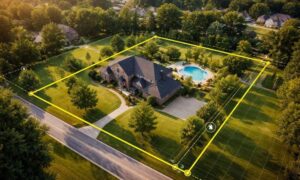
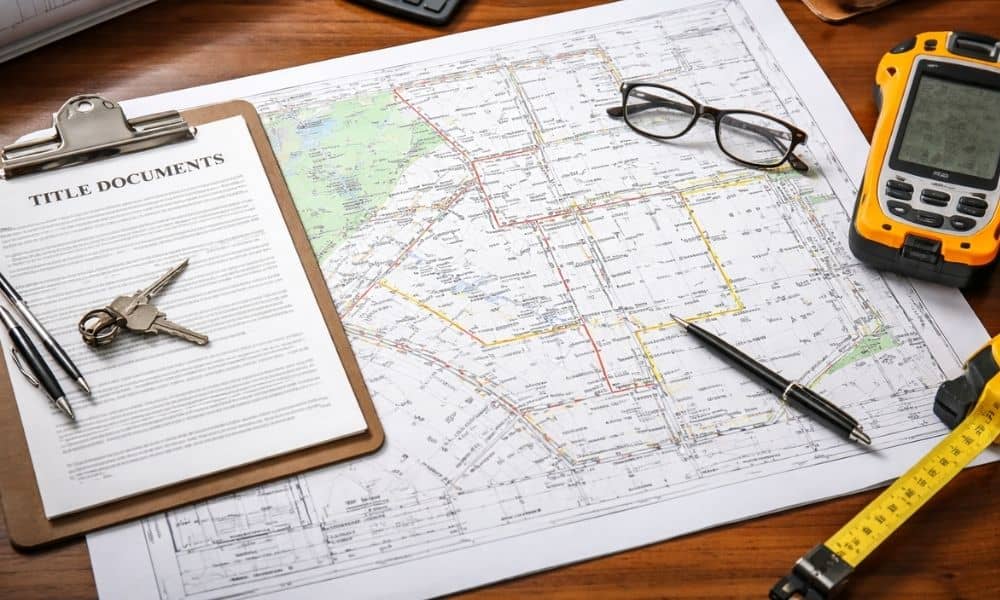
When someone buys land, plans to build, or closes on property, a lender may request an alta survey. This survey shows the land boundaries and the legal rights tied to the property.
Many property owners think a surveyor can start right away. However, surveyors must first review title records linked to the land.
These records help the surveyor understand what must appear on the final survey drawing.
Because of this, preparing the right documents before ordering an alta survey can save time. It also helps the surveyor confirm important property details before visiting the site.
How Title Records Help Surveyors Understand the Property
An alta survey does more than measure land lines. It also connects the land to legal records filed with the county.
Surveyors study these records to see how the property appears in official documents. Many of these title records are among the documents needed for an ALTA survey, since surveyors must review them before starting field work.
For example, title records may show legal rights tied to the land. These rights can include utility easements, shared access roads, or drainage areas.
Because these rights affect how land can be used, surveyors must identify them early.
Title records also help surveyors compare legal descriptions with the land itself. This step helps confirm the boundaries shown on the survey.
Without these documents, the surveyor would not see the full legal picture of the property.
The Title Commitment Usually Starts the Process
The first document surveyors review is the title commitment.
The title company handling the property deal usually prepares this document.
It explains the conditions under which the title company may insure the property.
The title commitment also lists key information about the land. It may include the property owner, the legal description, and recorded items tied to the property.
Because of this information, surveyors use the title commitment as a starting point when preparing an alta survey.
Why Surveyors Review Schedule A and Schedule B
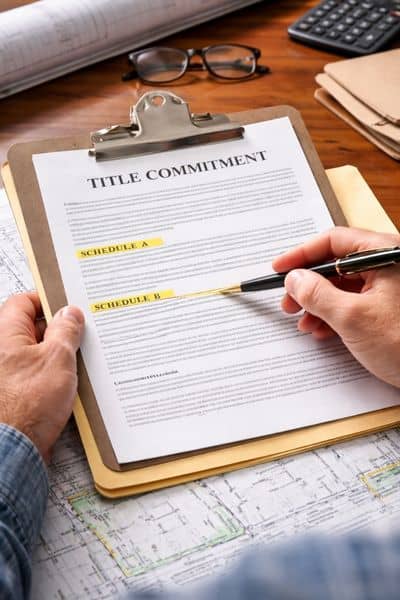
Inside the title commitment are two sections called Schedule A and Schedule B.
Surveyors review both sections closely.
Schedule A confirms basic facts about the property. It lists the owner and the legal description of the land.
Surveyors rely on this description when they draw property boundaries during the alta survey.
Schedule B lists items that may affect the property title.
These items may include easements, shared access roads, or restrictions tied to the land.
Because these items affect land use, surveyors must review them carefully.
Then they decide whether these rights should appear on the final survey drawing.
The Property Deed Provides Important History
Surveyors also review the most recent recorded deed.
The deed shows how ownership moved from one person to another.
It also contains the legal description used during that transfer.
Surveyors compare this description with the information in the title commitment.
When both records match, the surveyor gains confidence in the property description.
Sometimes the deed also refers to older records. These may include subdivision plats, recorded maps, or earlier surveys.
Surveyors review these records to understand the history of the property boundaries.
Then they compare those records with the land during the alta survey.
Other Property Documents May Also Help the Survey
Many property owners already have documents related to their land.
These documents can help surveyors understand the property faster.
For example, an earlier survey may show how the land looked in the past.
Subdivision maps can also show how the land was divided.
Utility agreements or access documents may also affect the property.
These records often explain how parts of the land may be used.
When clients share these documents early, surveyors gain a clearer view of the property.
This helps them review both legal records and land features before completing the alta survey.
Optional Survey Details May Be Requested
An alta survey may include extra details if the client or lender asks for them.
These extra details come from a list called Table A.
Table A items may include utilities, buildings, or certain features on the land.
Because these items add more work to the survey, surveyors must know about them early.
When everyone agrees on these details before work begins, the surveyor can plan the job properly.
This helps ensure the final survey includes the requested information.
Preparing the Right Documents Helps the Survey Move Forward
Preparing title documents early can help an alta survey move faster.
When surveyors receive the title commitment, deed, and other records early, they can start reviewing the property details right away.
This helps them understand the legal setting around the land before field work begins.
As a result, the survey process becomes smoother.
Property owners, lenders, and developers all benefit from this preparation.
Clear title documents help surveyors confirm how the property appears in official records while they measure the land.
In the end, gathering the right paperwork before ordering an alta survey helps ensure the final survey reflects both the land and the legal rights tied to it.