Plans look perfect on paper.
Lines are straight. Measurements are clean. Everything seems ready.
Then the crew shows up.
The stakes go in. The layout starts. And suddenly, something feels off.
A corner doesn’t line up. The slope looks wrong. Space is tighter than expected.
This happens more often than most people think. And in many cases, the first time anyone notices the problem is during the construction survey.
Plans Don’t Always Match Real Ground
Design teams work with drawings, data, and software. They build a layout that should work.
But the ground tells a different story.
Sometimes the data used in the plans is old. Other times, small details get missed. A few inches of elevation difference can turn into a big problem once work starts.
Even worse, different teams may not fully line up. The engineer, designer, and contractor may all see the plan in slightly different ways.
On paper, everything fits.
On site, it doesn’t.
The First Real Test Happens on Site
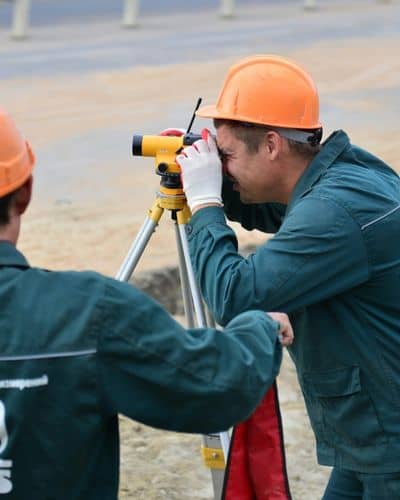
The moment a construction survey begins, the plan meets reality.
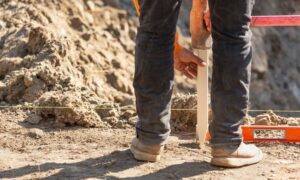
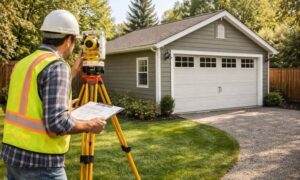
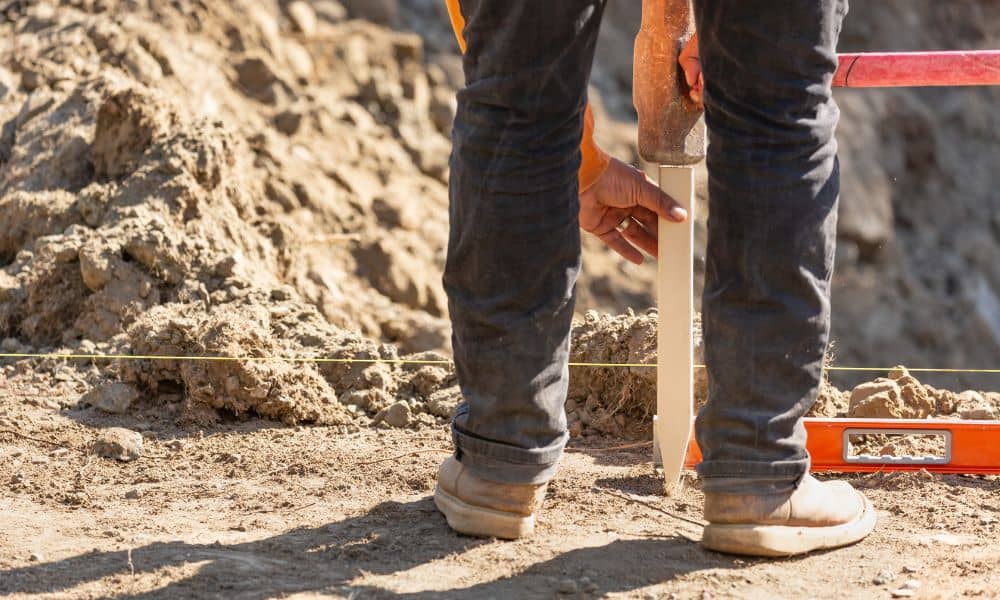
Surveyors mark exact points where the structure should go. They check distances, elevations, and layout against the actual land.
This is where issues show up fast.
A building footprint might push too close to a limit. A slope might not drain the way the plan expects. Equipment access might not work the way it looked on screen.
Nothing is guessed. Everything gets measured.
That’s why the construction survey becomes the first real test of whether a project can move forward as planned.
Small Errors Turn Into Big Problems
At first, the issue may seem minor.
Maybe a corner is off by a foot. Maybe the grade is slightly higher than expected.
But construction doesn’t deal well with “almost correct.”
A small shift can affect drainage. A slight elevation change can impact the entire foundation. A tight layout can slow down equipment and crews.
Fixing these problems later costs time and money.
Catching them early changes everything.
Why These Issues Slip Through
Many projects move fast.
Teams rely on digital plans and past data. They trust that everything has already been checked.
But field conditions change. Soil moves. Previous work may not match recorded data. Even a simple grading change can affect the entire layout.
At the same time, not every plan gets a full real-world check before construction begins.
So the first true verification happens when surveyors step on site.
That’s when theory meets reality.
Surveyors See What Others Miss
Surveyors don’t work off assumptions. They work off actual measurements.
They place points exactly where the plan says they should be. Then they compare that to what exists on the ground.
This step reveals conflicts that no drawing can fully show.
It’s not about finding fault. It’s about making sure the project can be built the right way.
Without this step, crews may move forward with errors already built into the job.
What Happens When Problems Go Unchecked
When issues don’t get caught early, things slow down fast.
Crews stop work. Plans need updates. Materials may need to be changed or reordered.
Contractors start asking questions. Engineers go back to review the design.
Every delay adds pressure.
And most of the time, the problem traces back to something that could have been seen during the construction survey.
A Simple Step That Saves Projects
A construction survey does more than mark points on the ground.
It checks if the plan actually works in real conditions.
It gives the team a clear starting point. It confirms that the layout, elevations, and placement all make sense before work begins.
That clarity helps everyone move forward with confidence.
A Real Example
Picture a site where a new building is ready to go.
The plan shows the layout clearly. Everything looks good.
The survey team stakes the corners. Then they notice something.
The slope of the land pushes water toward the building, not away from it.
If construction moves forward, drainage will fail. The foundation will face problems later.
Because the issue was caught early, the design team adjusted the plan.
Work continues, but now it fits the site.
That one check avoided a much bigger issue down the line.
Catch It Early or Fix It Later
Construction doesn’t leave much room for guesswork.
Plans matter, but the ground decides what works.
A construction survey gives a clear answer before the real work begins.
It shows where the plan holds up and where it needs to change.
That early check often makes the difference between a smooth project and a frustrating one.